Teaching Social Skills Through Games
Kids on the Autism Spectrum
The Challenge
Many children on the autism spectrum struggle with:
- Social cues and turn-taking
- Emotional expression and interpretation
- Flexible communication
- Initiating or sustaining interaction
Traditional social-skills training often relies on explicit instruction, role-playing exercises, or scripted scenarios. These approaches can feel artificial, stressful, or disengaging, especially for kids who struggle with face-to-face social complexity.
At the same time, something interesting happens outside the clinic.
A Critical Observation
Many parents report that multiplayer video games are one of the best ways to connect with their children on the spectrum.
In shared game worlds:
- Kids communicate more freely
- Emotions are expressed through play, choices, and creation
- Social interaction feels safer and more predictable
- Collaboration replaces conversation pressure
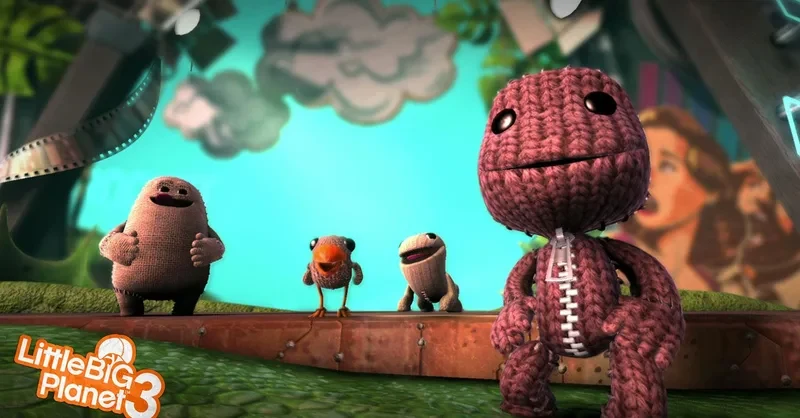
Games like LittleBigPlanet demonstrated (unintentionally) that playful, shared creation can unlock emotional expression and communication that's difficult to access elsewhere.
This challenge asks: What if we designed games intentionally to support social learning for kids on the spectrum?
The Big Idea
Games naturally provide:
- Clear rules and structure
- Predictable social systems
- Shared goals
- Turn-taking mechanics
- Emotional expression through action, not words
Unlike real-world social situations, games allow:
- Safe repetition
- Pausing and retrying
- Reduced sensory overload
- Control over pace and intensity
This makes them a uniquely powerful medium for teaching social skills without forcing children into uncomfortable or high-pressure interactions.
What We Mean by "Social Skills" Here
This is not about making kids behave "normally."
It's about supporting:
- Understanding cause-and-effect in social interaction
- Practicing collaboration and shared goals
- Recognizing emotions in context
- Expressing needs, preferences, and feelings
- Experiencing successful interaction
Progress may be subtle, and that's okay.
Core Design Directions
1. Cooperative Play as Social Practice
Design games where:
- Success requires collaboration
- Players must coordinate actions
- Roles are complementary, not competitive
- Communication can be verbal, visual, or action-based
Examples: Building something together, solving puzzles cooperatively, caring for a shared world or character.
2. Emotional Expression Through Play
Explore mechanics that allow kids to:
- Express emotions indirectly (through avatars, color, motion, music)
- Choose how characters react
- Communicate intent without relying on spoken language
- Explore emotional cause-and-effect safely
3. Parent / Caregiver as Co-Player
Some of the most powerful moments happen when:
- A parent or caregiver plays with the child
- The game becomes a shared language
- Conversation emerges naturally from play
Designs may include asymmetric roles (child + adult), shared creative spaces, or moments that invite reflection without forcing it.
Design Considerations for ASD
Strong designs will emphasize:
- Predictability and clear rules
- Low punishment and low failure pressure
- Adjustable sensory input (sound, motion, color)
- Calm pacing
- Meaningful choice without overload
- Non-competitive or softly competitive structures
Games may be slow, repetitive, or highly structured.
Those are strengths, not weaknesses.
Jam Scope & Expectations
- Focus on one social skill or interaction pattern
- Simple mechanics > complex narratives
- Stylized visuals are fine
- Mock users or simulated multiplayer are acceptable
- Clinical insight matters more than polish
What This Is Not
- Not diagnosing autism
- Not behavior correction or normalization
- Not forcing eye contact or conversation
- Not overstimulating or fast-paced "engagement hacks"
The goal is connection, confidence, and communication, on the child's terms.
Extra Points For...
- Cooperative (not competitive) mechanics
- Designs that invite parent/caregiver participation
- Thoughtful sensory control
- Games that create space for expression rather than demand it
Why This Matters
For many families, games are already the safest place for connection.
This challenge asks:
What if we treated games not as a distraction, but as a bridge?
It's an opportunity to design play experiences that help children on the spectrum practice social interaction in a way that feels natural, safe, and genuinely enjoyable.