Helping Children With Encopresis Sit and Go
Pediatric Gastroenterology, Constipation & Toilet Confidence
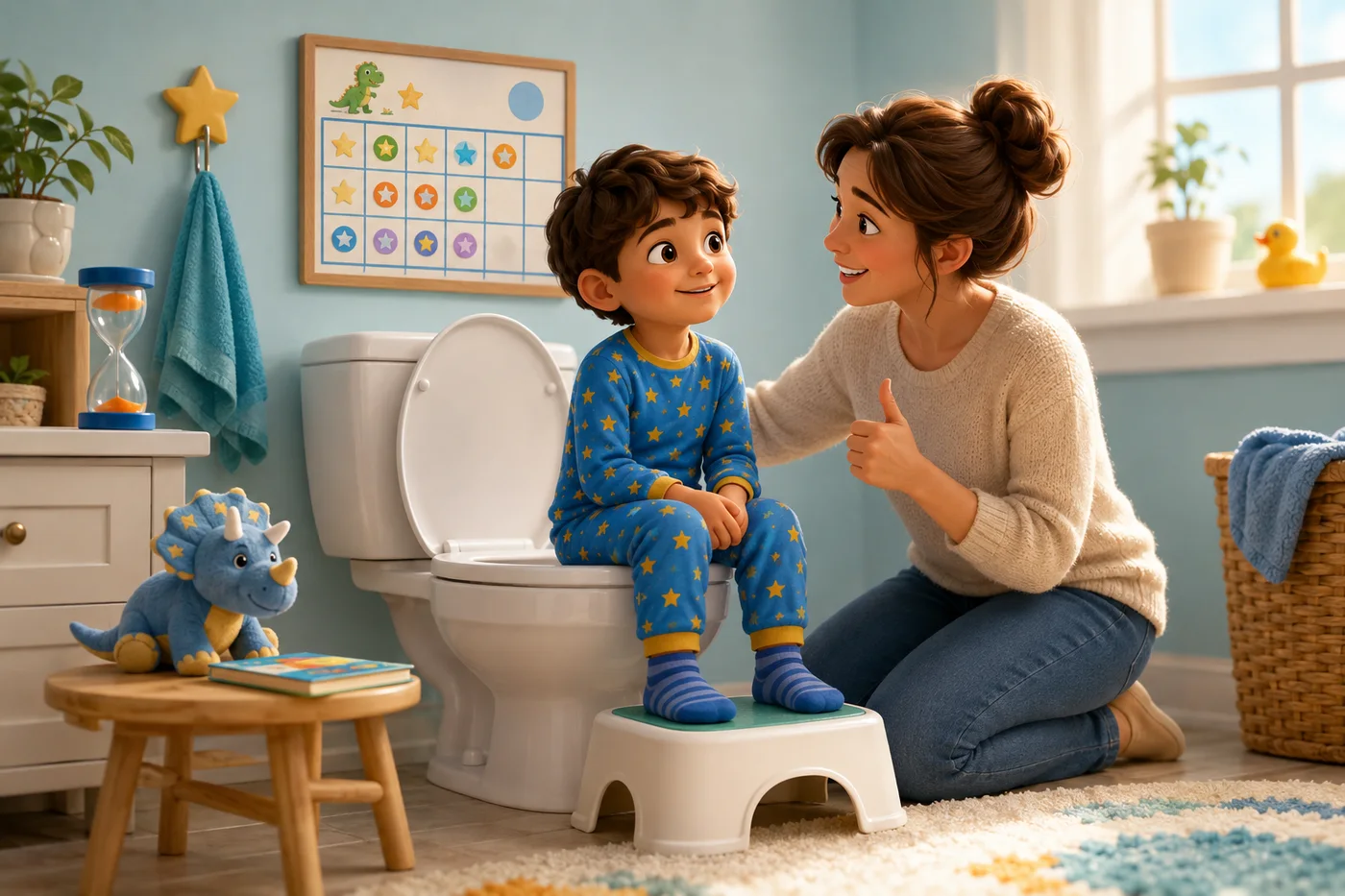
The Challenge
Children with chronic constipation and encopresis can enter a difficult cycle: painful bowel movements lead to fear and withholding, which worsens constipation and creates more accidents.
The practical challenge for many families is the daily routine itself: helping the child get to the bathroom and sit on the toilet at the recommended times, usually after meals, even when the child would rather avoid it. The routine needs to feel predictable, finite, calm, and worth doing again tomorrow.
This game should focus on building a positive, consistent toilet-sitting habit. Broader care may include medication, pelvic-floor physiotherapy, psychological support, and parent guidance, but the jam prototype does not need to manage the whole treatment plan. Its job is to make the repeated bathroom routine feel safer, more approachable, and more engaging for the child and family.
The Big Idea
Can gameplay make toilet sitting feel predictable, safe, and rewarding enough that a child willingly practices the routine?
What a Jam Prototype Could Be
- A short scheduled-sit game for home use after meals, with a timer that makes the sit predictable, friendly, and clearly bounded.
- A quest or routine map that rewards getting to the bathroom, sitting with feet supported, staying for the planned time, and trying calmly, without making success depend only on having a bowel movement.
- A sticker, streak, or collectible system that celebrates consistency while handling missed sits or accidents without shame.
- A parent-assisted mode with gentle reminders, simple scripts for encouragement, and choices that let the child control music, story, breathing prompts, or small activities during the sit.
- A low-pressure progress view that helps the family see routine completion over time without turning symptoms into a score or diagnosis.
Design Questions
- How do you reward the process without pressuring the outcome?
- How can the game avoid shame around accidents?
- What helps a child get to the bathroom and stay seated long enough without feeling pressured?
- How can families use it without adding another daily fight?
What This Is Not
- Not a diagnosis tool, treatment order, medication guide, or replacement for clinical judgment.
- Not a place to use identifiable patient data.
- Not expected to be a finished hospital product after 30 hours.
Why This Matters
Reducing fear around one daily routine could improve symptoms, confidence, and family life.