Preparing for Knee Replacement
Orthopedics, Prehabilitation & Recovery Readiness
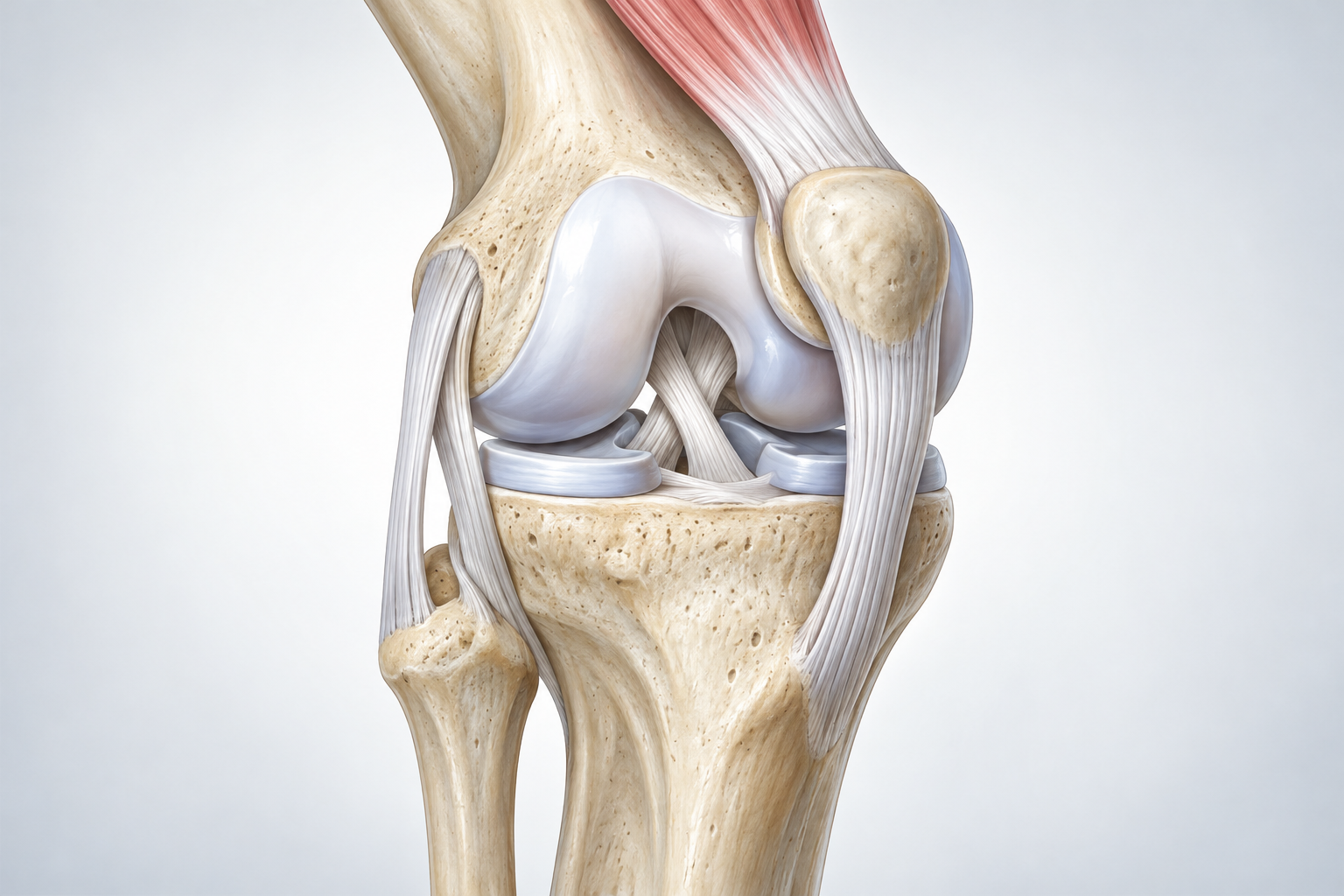
The Challenge
Knee replacement is most common among older adults. The average patient is about 67, and most patients are between 55 and 80. In the United States, roughly 700,000 procedures are performed each year, yet an estimated 10-20% of patients remain dissatisfied afterward.
Preparation affects both the experience and the outcome. Patients need to learn exercises for before and after surgery; arrange a walker, raised toilet seat, help at home, and a safe living space; understand dressings, medications, wound care, and daily recovery routines; and form realistic expectations about pain, mobility, and the pace of recovery.
Why Current Support Falls Short
Information is divided among surgeons, nurses, physiotherapists, anesthesiologists, and pharmacists. Patients may travel to several appointments, receive a large amount of information at once, or hear instructions that appear contradictory. Members of the care team may not know what another clinician has already explained.
The result can be anxiety, confusion, poor pain control, stiffness, weakness, avoidable emergency visits or readmissions, and dissatisfaction with the surgical experience.
The Big Idea
Can an engaging experience connect the fragmented parts of knee-replacement preparation and help patients arrive for surgery mentally and physically ready, with the skills, equipment, support, and knowledge they need for recovery?
Possible Directions
- A preparation journey from the decision to have surgery through prehabilitation, surgery day, and early recovery at home.
- Practice for clinically important exercises with clear feedback.
- Realistic decisions about home setup, equipment, medication timing, dressings, wound care, and when to contact the care team.
- Explanations that show why each action matters and correct misconceptions without frightening the patient.
- A shared experience that lets a patient and caregiver review unfinished topics together.
How Success Could Be Measured
- Completion and correct performance of priority preparation tasks.
- Knowledge of equipment, medications, exercises, warning signs, and expected recovery.
- Reduced anxiety and fewer unresolved questions before surgery.
- In later clinical testing: avoidable calls, emergency visits, readmissions, stiffness, weakness, and patient satisfaction.
What This Is Not
- Not individualized medical advice or a replacement for the surgical team's instructions.
- Not a tool for changing medications, exercises, wound care, or recovery restrictions without clinical guidance.
Why This Matters
A coordinated preparation experience could help patients understand what to do, why it matters, and how the pieces fit together, while helping multidisciplinary teams deliver a more consistent path into surgery and recovery.