Skin Healing Quest for Pediatric Burn Recovery
Pediatrics / Burn Recovery / Rehabilitation
The Challenge
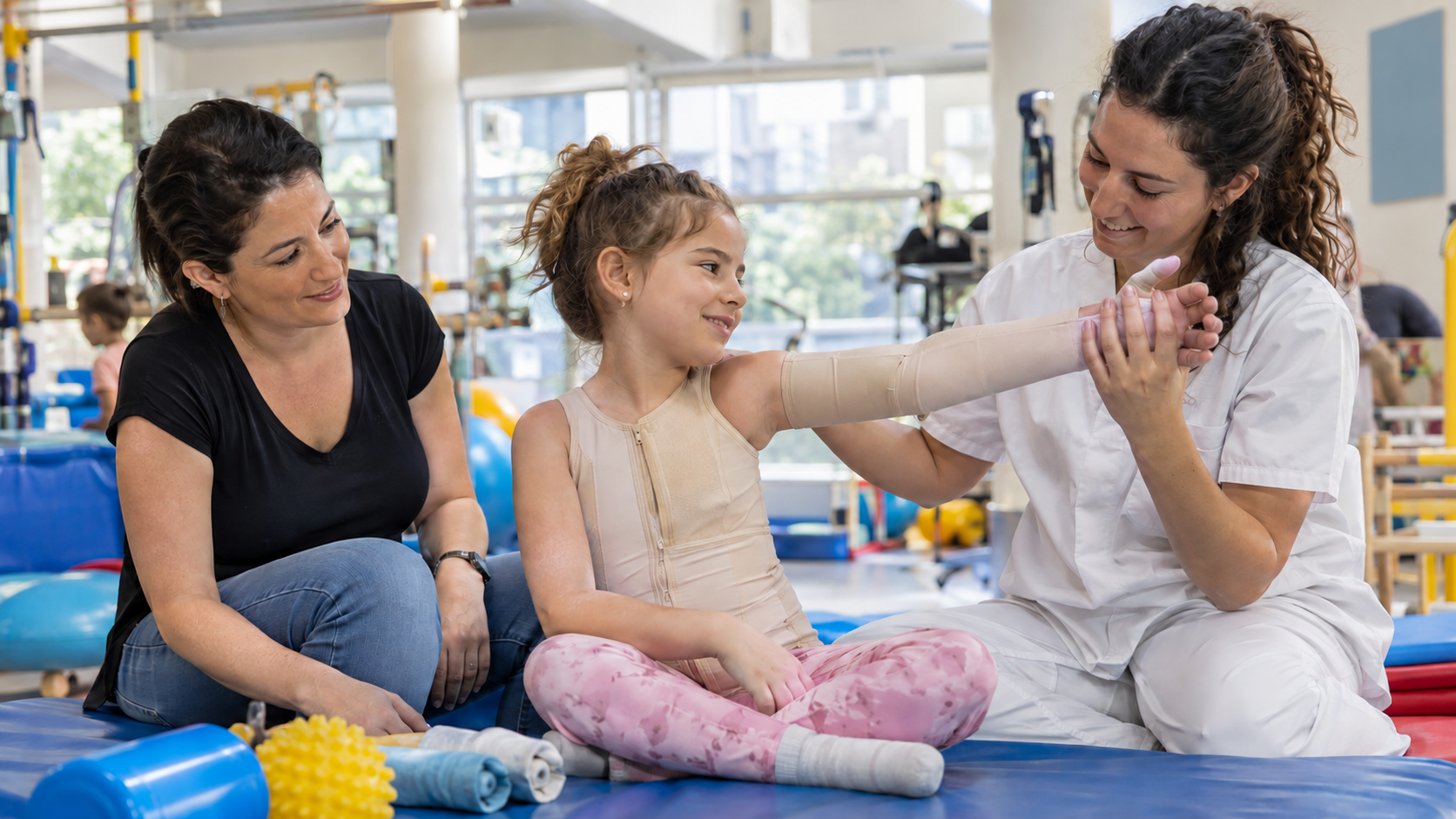
Burn injuries can begin a traumatic, painful recovery lasting months or years. This challenge concerns children ages 5-18 in acute inpatient care and prolonged outpatient rehabilitation, as well as their families. Sheba is Israel's National Burn Center and treats the country's most complex pediatric burn cases.
Children see wounds, intimidating dressings, and changing scars, but cannot see cellular regeneration, changes in skin elasticity, or why dressing changes, stretching, pressure garments, physical therapy, occupational therapy, and other painful routines matter. Treatment can feel like pain being inflicted rather than participation in healing.
Why Current Tools Fall Short
Preparation and education rely largely on face-to-face conversations with educational and clinical staff. Verbal explanations cannot easily depict cellular regeneration, scar maturation, skin elasticity, or a biological process that changes beneath the skin over months or years.
Families must sustain difficult routines between visits, often when the child is tired, distressed, or unable to connect today's discomfort with future movement and healing.
Possible Directions
One possible direction is a sensitive, non-graphic visual journey through the stages of skin healing. It could show what is happening beneath the skin and connect clinician-approved dressing changes, stretching, pressure garments, positioning, skin care, physical therapy, and occupational therapy to visible changes in healing, scar tightness, flexibility, and range of motion.
Repeatable missions and a longer recovery map could help children understand why each routine matters, participate actively, and see progress across a long rehabilitation period. The experience should support difficult days without blame or promises about cosmetic outcomes.
What Success Could Look Like
- More active participation and adherence to prescribed rehabilitation routines.
- Reduced distress during wound care and therapy.
- Ability to explain the stages of skin healing and why a prescribed activity matters.
- Greater sense of control and movement from passive trauma toward active recovery.
- For later study: range of motion, pressure-garment adherence, and family confidence.