GameIS and Sheba ARC Present:
Sheba ARC Healthcare Game Jam
October 18–19, 2026 • Onsite at Sheba Medical Center
A 30-hour onsite jam where game developers build healthcare games advised by Sheba clinicians — to help doctors and patients, directly.
Limited spots available — sign up early!
The Upside
Your Game Could End Up in a Hospital, in Front of Investors, or on a World Stage
What you stand to gain from these 30 hours.
Piloted at Sheba
Games complete enough to be used by patients or staff during the jam will be piloted at Sheba Hospital. Short-form rehab and training games are a natural fit.
Funded
Promising prototypes will be put in front of investment and funding sources by ARC, to take the full project forward.
Showcased
Top games will be presented to over a thousand medical leaders from Sheba and around the world at the Sheba ARC Summit later that week.
Event Details
When
Sunday, October 18
10:00 doors open
10:30–11:00 welcome, goals, clinician introductions
11:00 onward: teams start jamming
13:00 lunch
20:00 dinner
Monday, October 19
09:00 breakfast
13:00 lunch
Teams keep jamming through 17:00
17:00–18:00 demo time
18:00 go home
From 11:00 on Sunday until 17:00 on Monday, teams are jamming all the way through.
Where
MSR, Sheba's large, brand-new training and simulation center, on the Sheba Medical Center campus in Ramat Gan.
Parking
Parking is 25 NIS. There is a lot next to MSR. If it is full, there are several other visitor lots within a short walk on the Sheba campus.
Sign Up
For medical professionals and game developers.
Open signup formLimited spots available — sign up early!
Food and drinks provided throughout the jam.

Why This Jam Is Different
For Game Developers
A rare chance to build something that will actually be used by doctors and patients. You'll work alongside Sheba clinicians who understand the medicine, the constraints, and the people they treat every day. Bring the full toolbox of game design and tech to bear on problems that matter.
Sign up to participateFor Medical Professionals
Bring your hardest, most stuck problems — patient education, treatment adherence, training, rehab — and put top game developers and designers on them. Your role is advisory, and your time is flexible: drop in for kickoff, periodic check-ins, and the closing demos. Stay longer if you want, but you don't have to. See example problem statements from your colleagues at Sheba.
Sign up to participateProblem Statements
Explore healthcare challenges from our clinical partners at Sheba Medical Center. These are the kinds of problems jam teams will tackle.
Are You a Clinician?
Got a clinical problem you wish a game could solve? Submit a problem statement — we'll bring it to the jam.
Submit a problem statement Pediatric Mental Health
Game-Based Behavioral Observation
Design games that capture observable behavior patterns to help clinicians understand how kids respond to challenge, uncertainty, and change.
Dr. Hen Meltzer, Sheba Hospital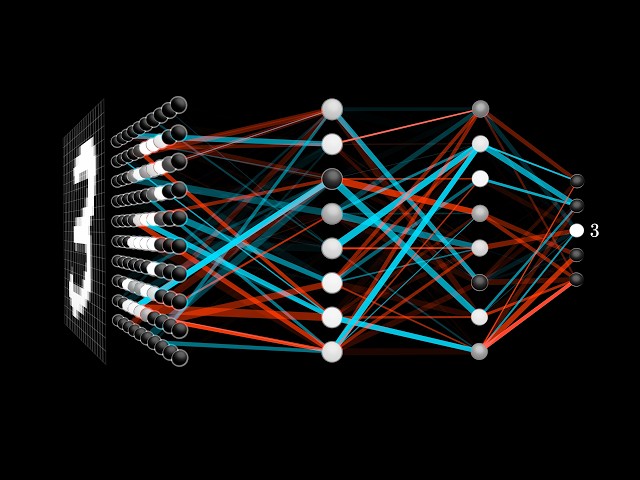 AI Literacy
Making AI Less of a Black Box for Doctors
Help clinicians build an intuitive mental model of how AI works, including its strengths, limits, and failure modes, through interactive play.
Shifra Samber, CHEO Research Institute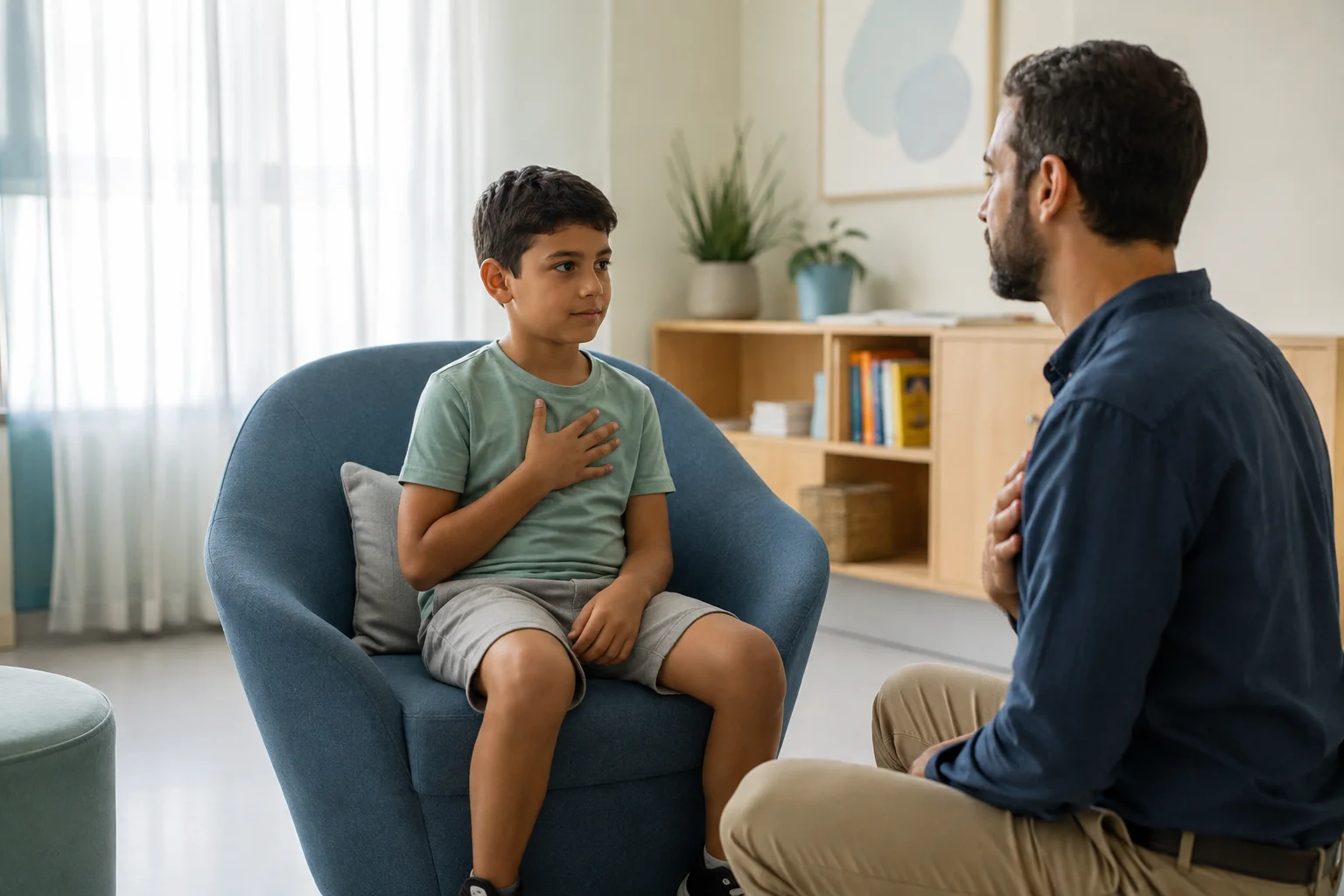 Pediatric Inpatient Psychiatry
De-Escalation & Emotional Regulation
Build tools that help children recognize early signs of emotional overwhelm and access calming, evidence-based regulation techniques in the moment they need them most.
Dr. Mariela Mosheva, Sheba Pediatric Psychiatry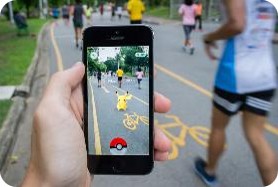 Pediatric Obesity
Keeping Children Engaged in Obesity Treatment
Design a game that supports motivation, confidence, and daily follow-through for children and families between obesity-treatment appointments.
Prof. Gal Dubnov-Raz, Pediatric Obesity, Sheba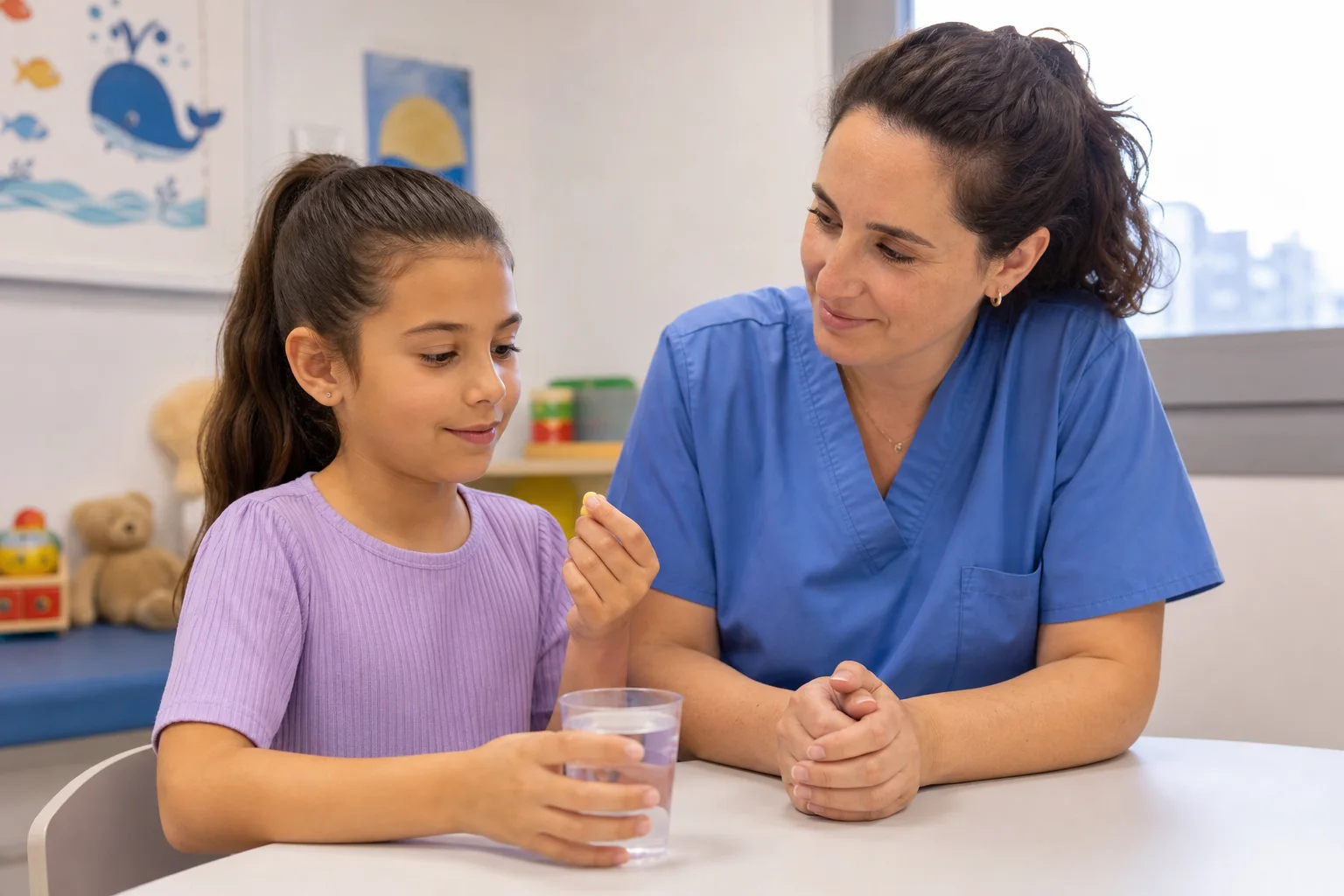 Pediatric Oncology
Helping Kids Swallow Pills
Build games that teach pill-swallowing as a skill, reduce anxiety, and reward consistency. Turn one of the hardest moments of the day into something achievable.
Michal Singer, Pediatric Hemato-Oncology Nurse, Sheba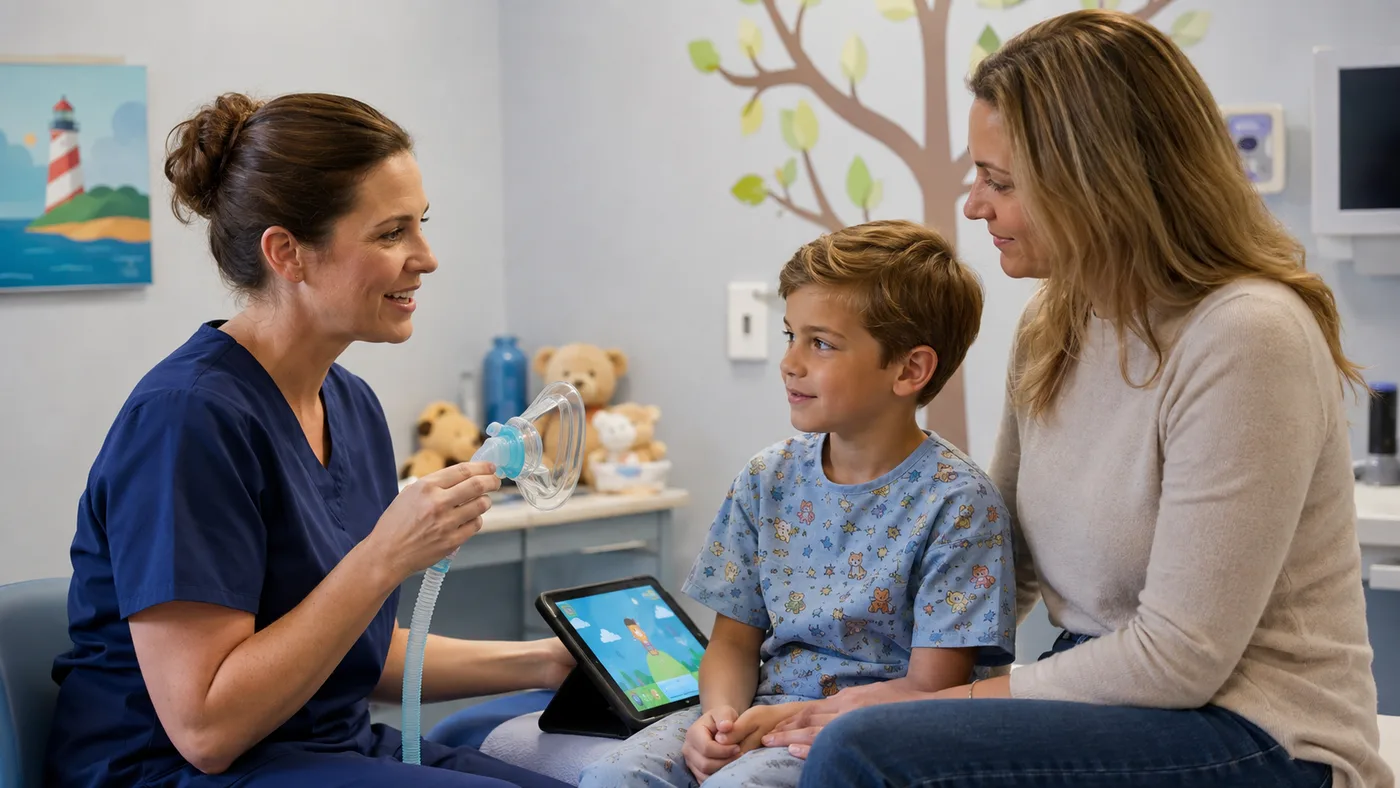 Pediatric Surgery
Reducing Pre-Operative Anxiety in Children
Build a child-friendly game that lets children rehearse the surgery journey before the day of surgery, so the real experience feels familiar instead of frightening.
Nurit Michelson, ENT Nurse, Sheba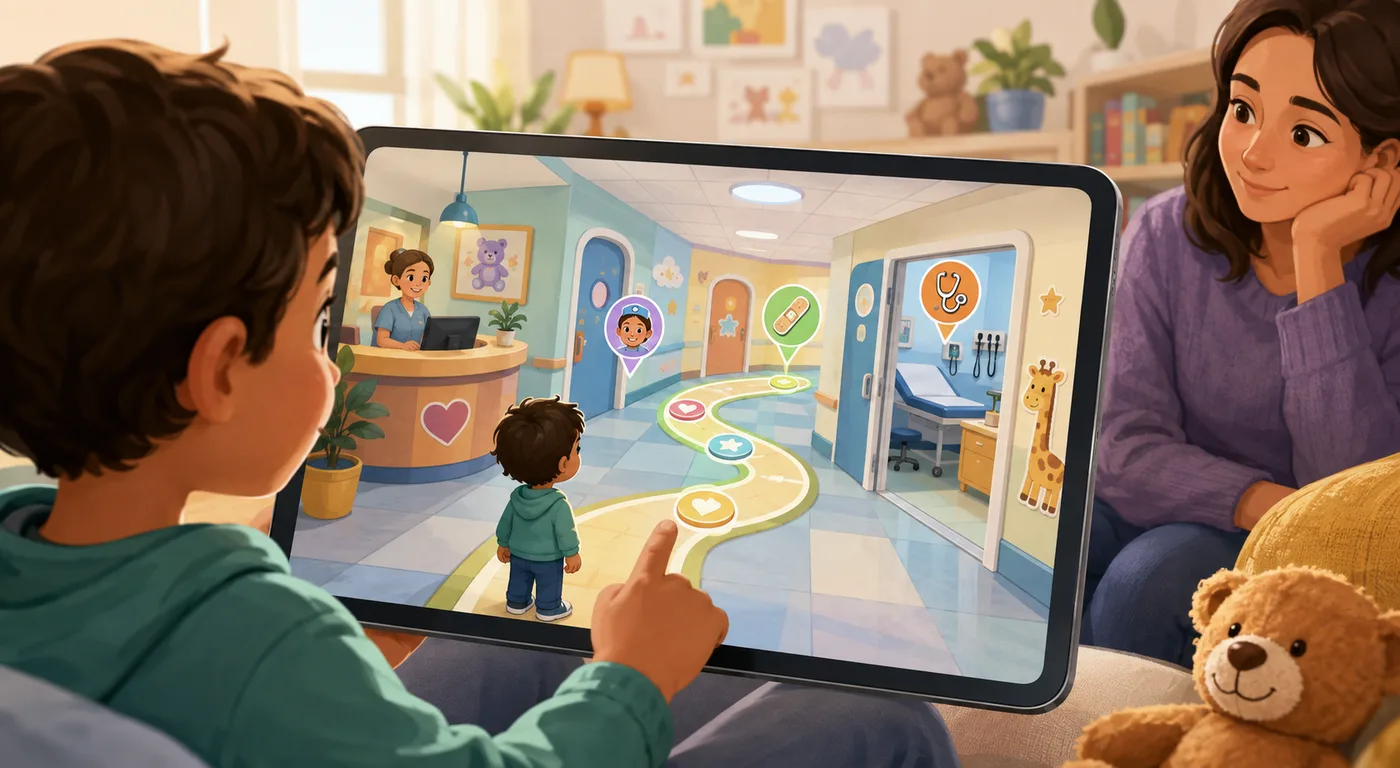 Pediatric ER
Preparing Children for the Hospital Experience
Help children explore the hospital journey as a game before or during a visit, so triage, waiting, exams, imaging, and treatment feel less unknown.
Erez Rechavi, Pediatrics, Allergy and Immunology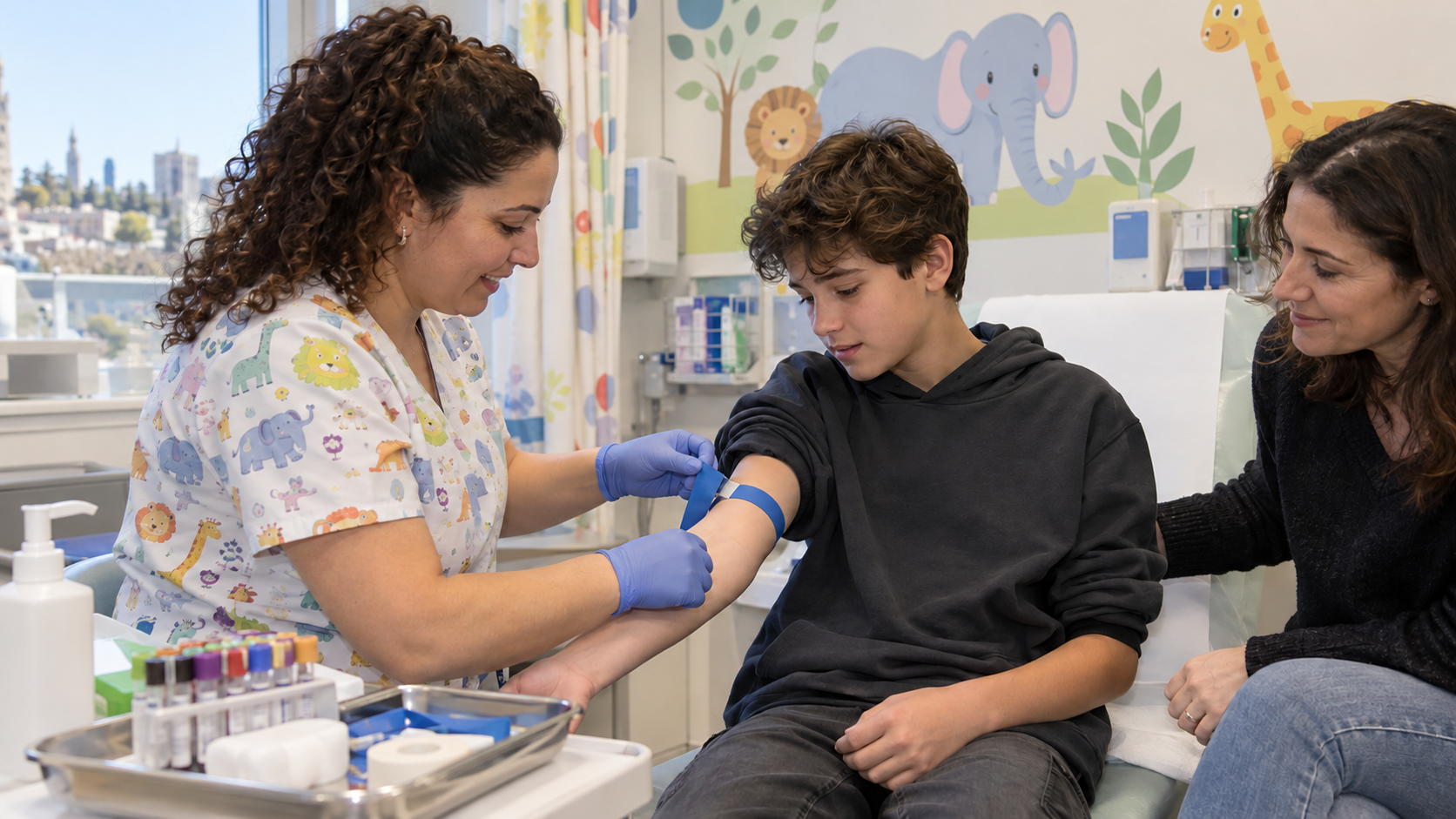 Pediatrics • Procedure Preparation
Pediatric Blood Draw Prep Game
Help children rehearse the sights, sensations, choices, and coping steps of a blood draw before the real procedure.
Tal Sela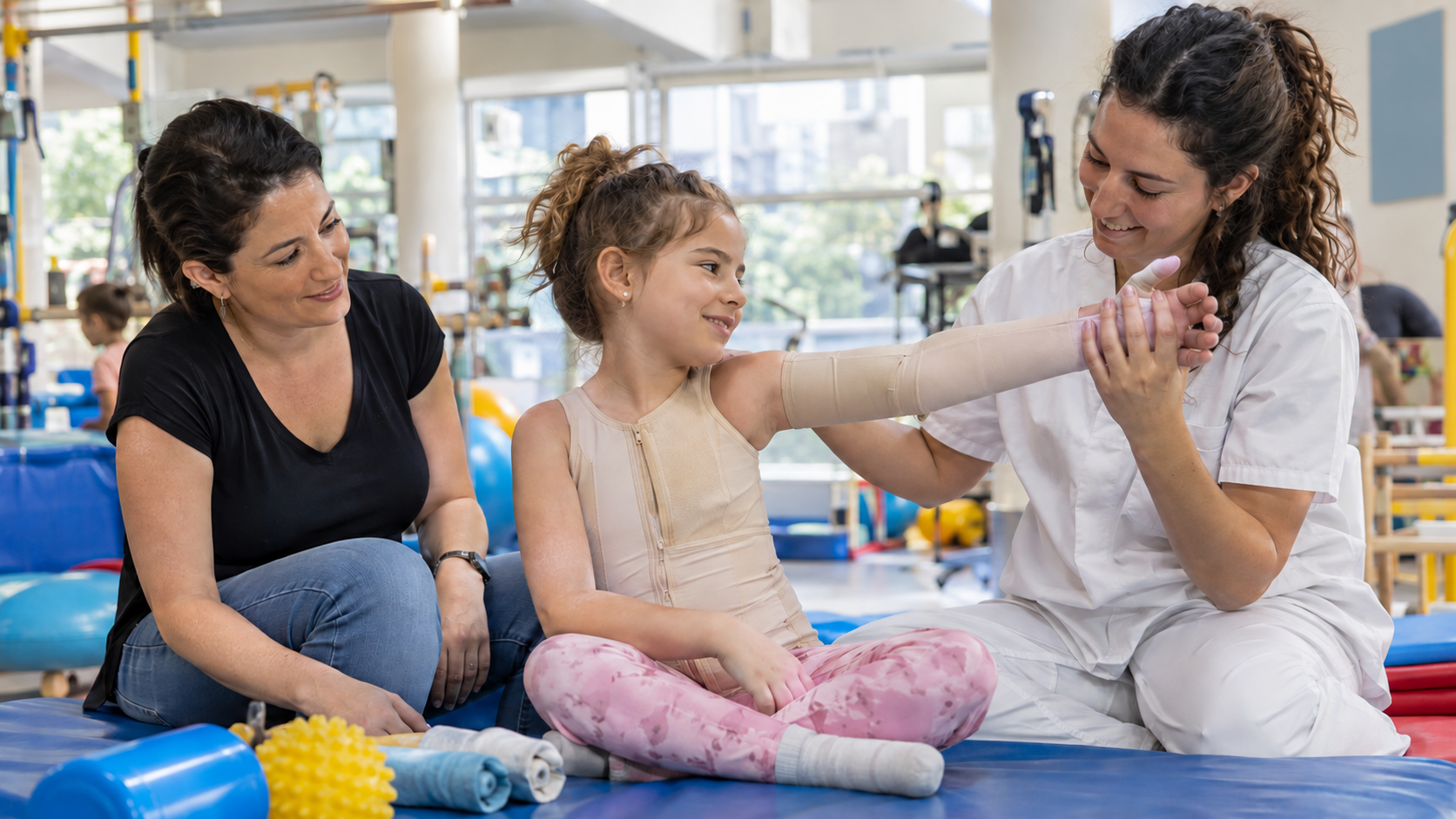 Pediatrics • Burn Recovery
Skin Healing Quest for Pediatric Burn Recovery
Help children understand skin healing and take an active role in painful, repetitive burn-recovery routines.
Tal Sela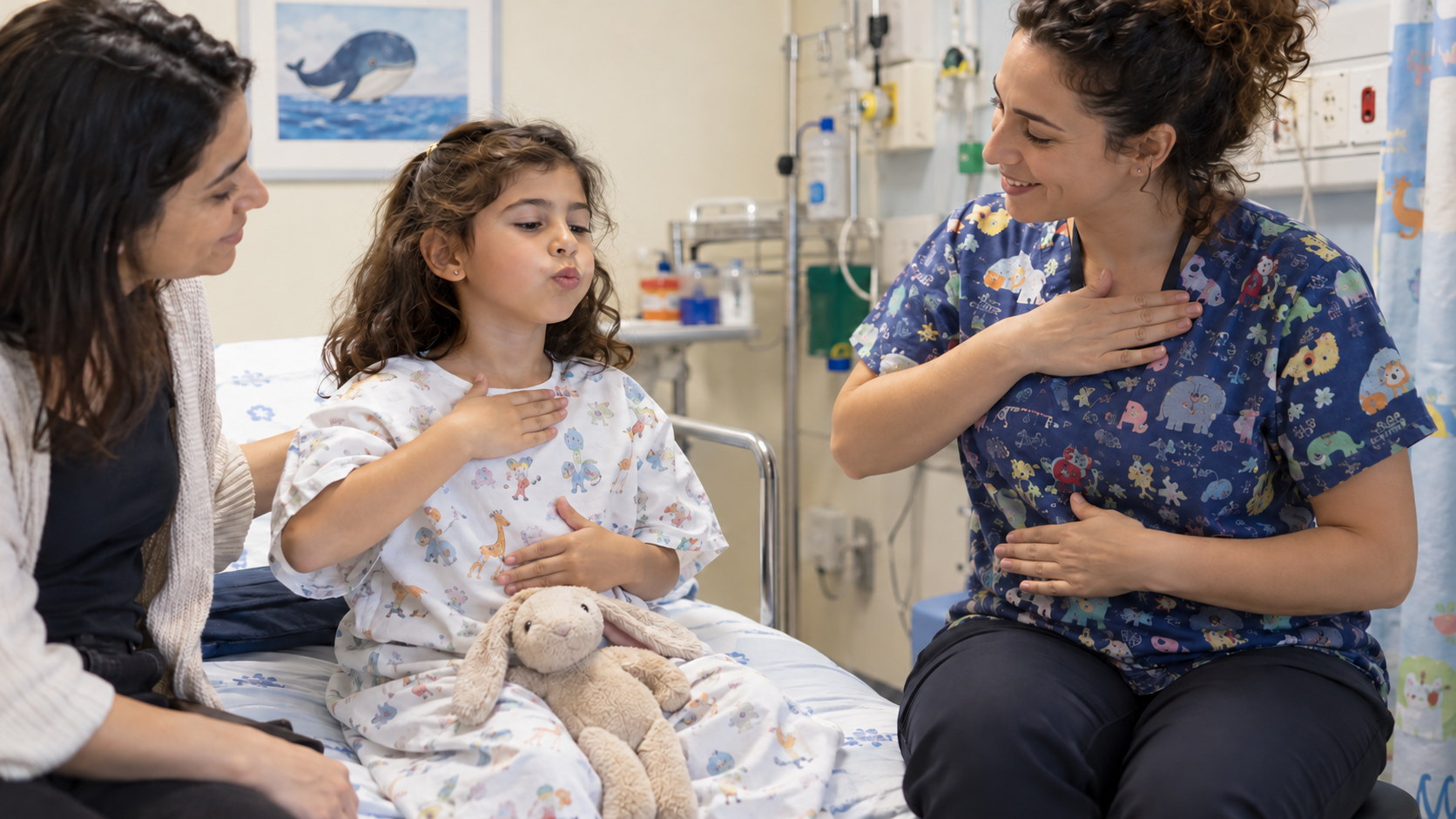 Pediatrics • Coping Skills
Coping Skills Practice for Pediatric Procedures
Give children a safe place to learn, compare, and rehearse coping strategies before fear makes them difficult to use.
Tal Sela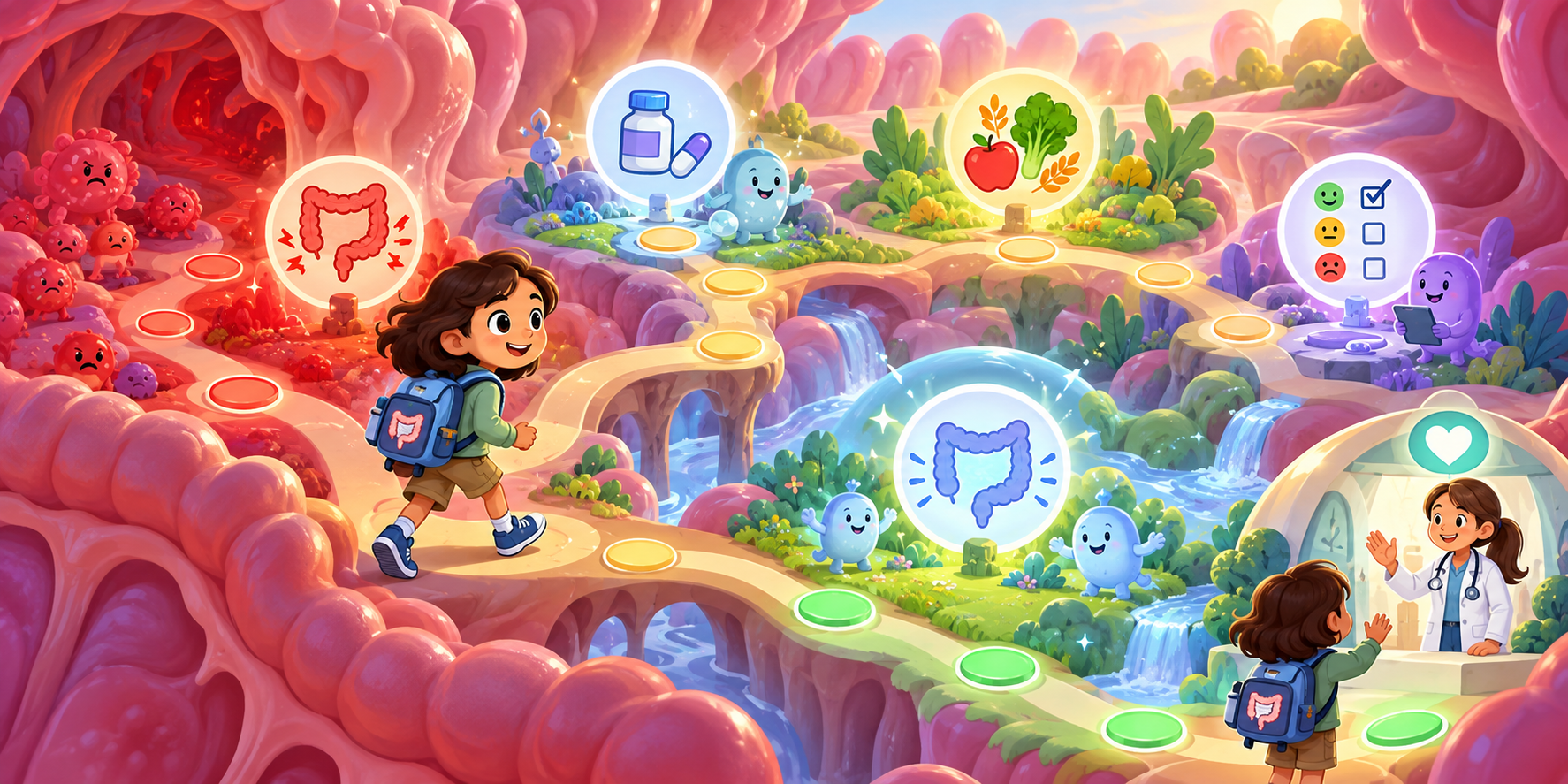 Pediatrics • Inflammatory Bowel Disease
IBD Explorer for Kids With Crohn's and Colitis
Make inflammation, treatment choices, symptoms, and long-term self-management easier for children with IBD to understand.
Tal Sela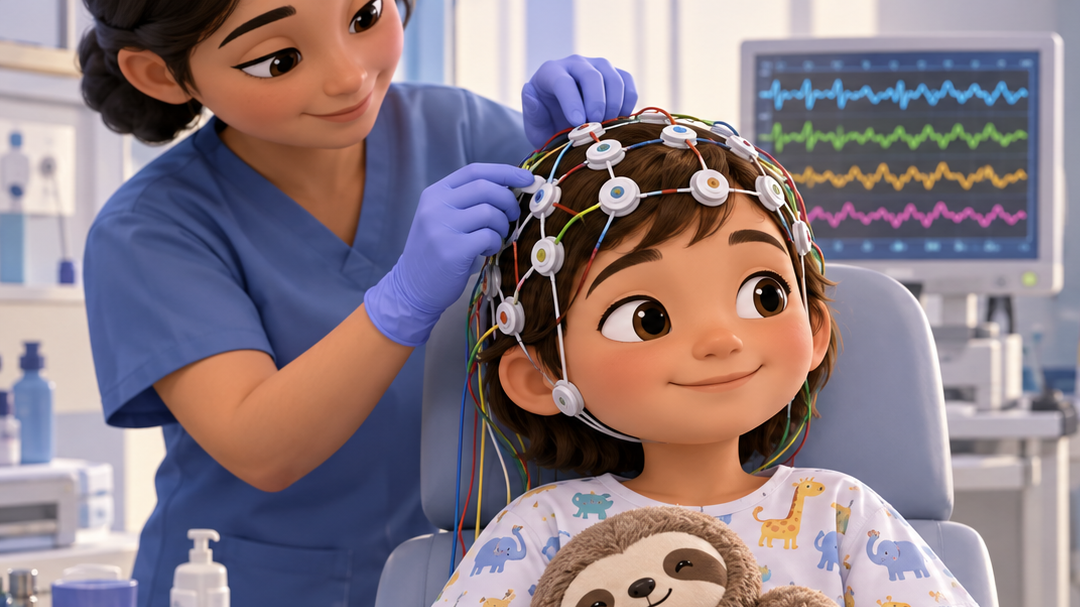 Pediatrics • EEG Preparation
EEG Prep Game for Children
Let children rehearse electrode placement, stillness, and the unfamiliar steps of an EEG before the appointment.
Tal Sela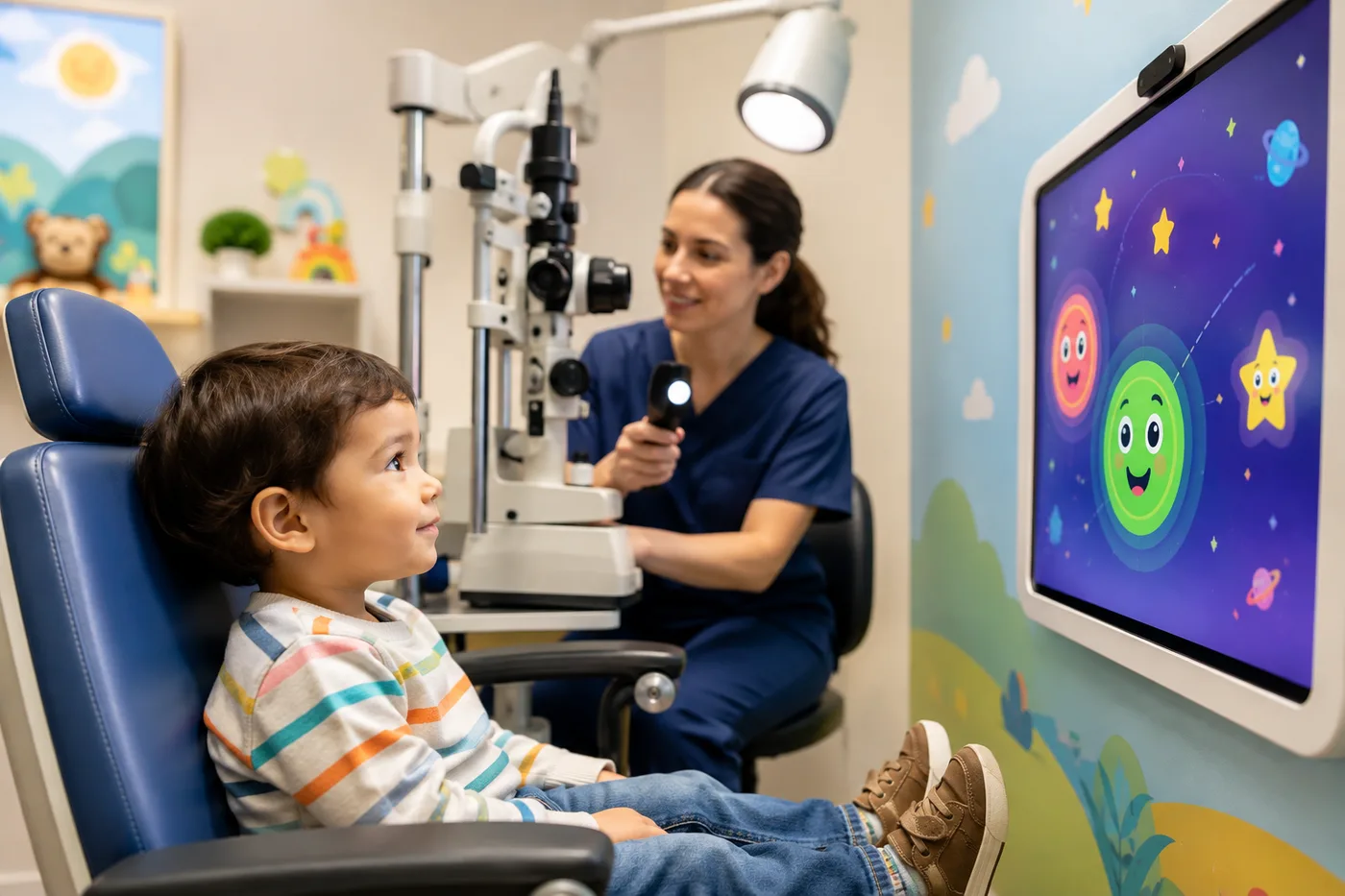 Pediatric Vision
Helping Children Through Eye Exams
Create a child-facing game layer that helps children fixate, hold still, and tolerate bright-light eye exams without distracting from the clinician's workflow.
Sharon Blum Meirovitch, Pediatric Ophthalmology, Sheba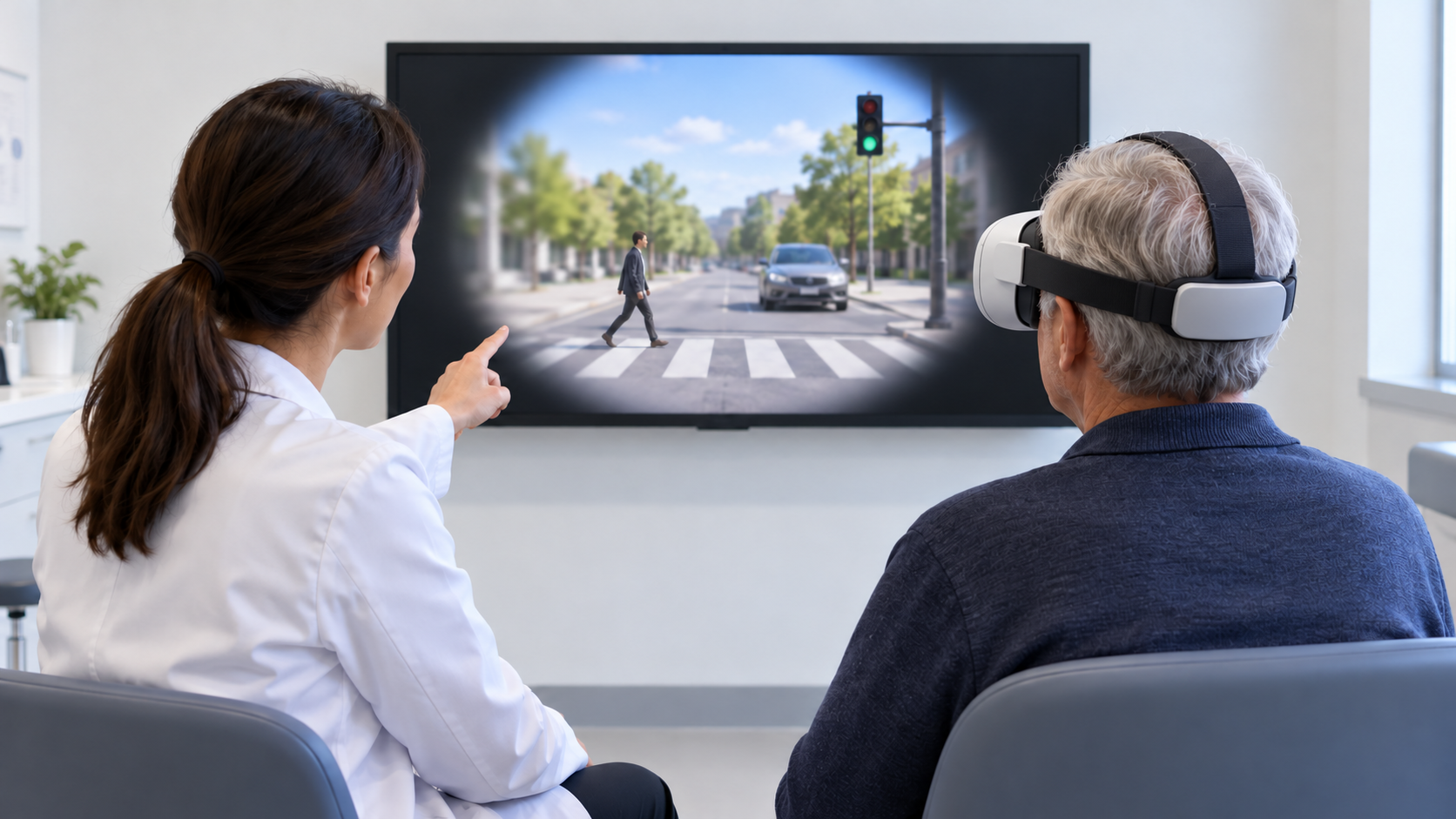 Ophthalmology • Driving Safety
Functional Vision for Driving Safety
Explore how an immersive driving simulation could measure whether people with eye disease detect and respond to safety-critical events.
Ari Leshno, MD, The Goldschleger Eye Institute, Sheba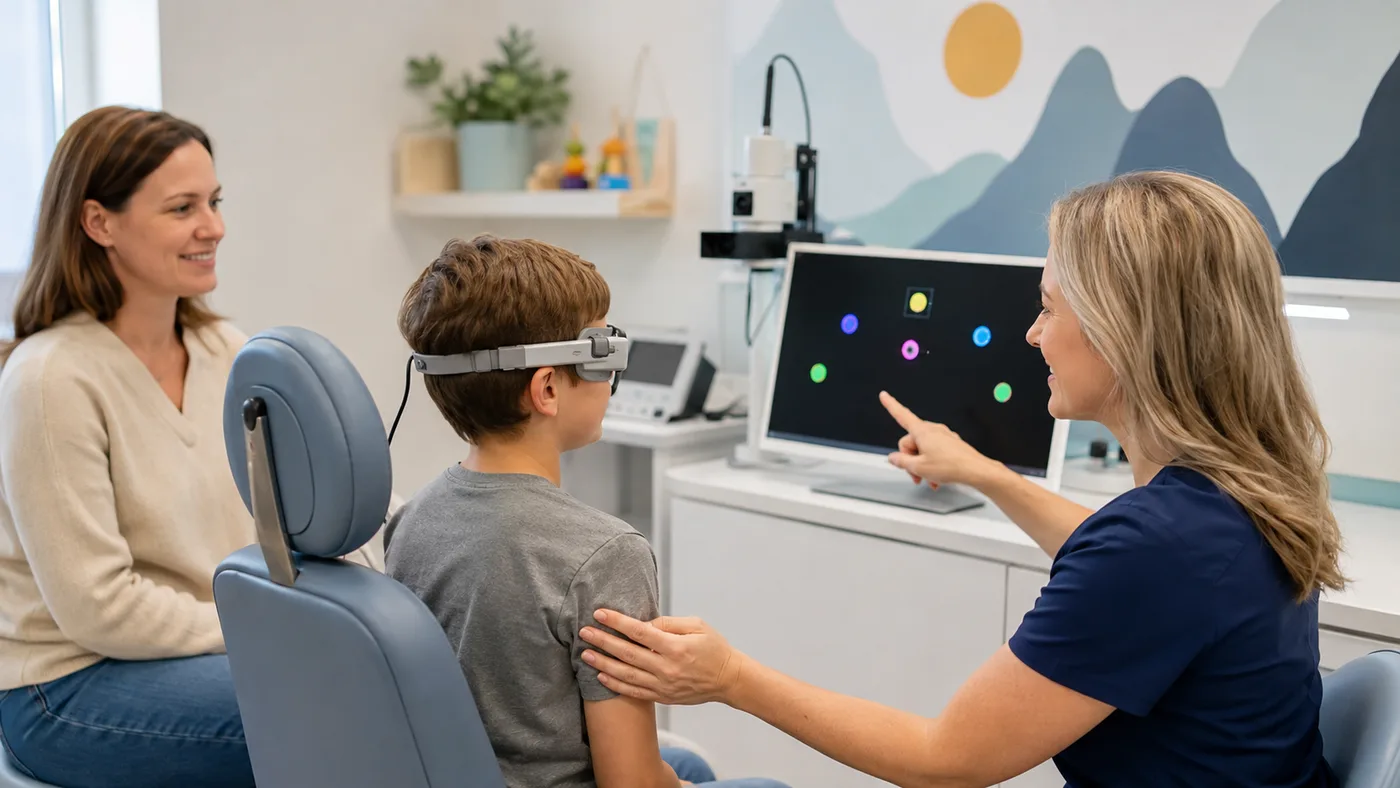 Pediatric Vestibular Care
Making Vestibular Exams Fun for Kids
Prototype game-like gaze stabilization, head-impulse, or VR target tasks that keep children engaged while clinicians observe eye movement.
Nurit Michelson, Tomer Hazan & Hadas, Sheba advisors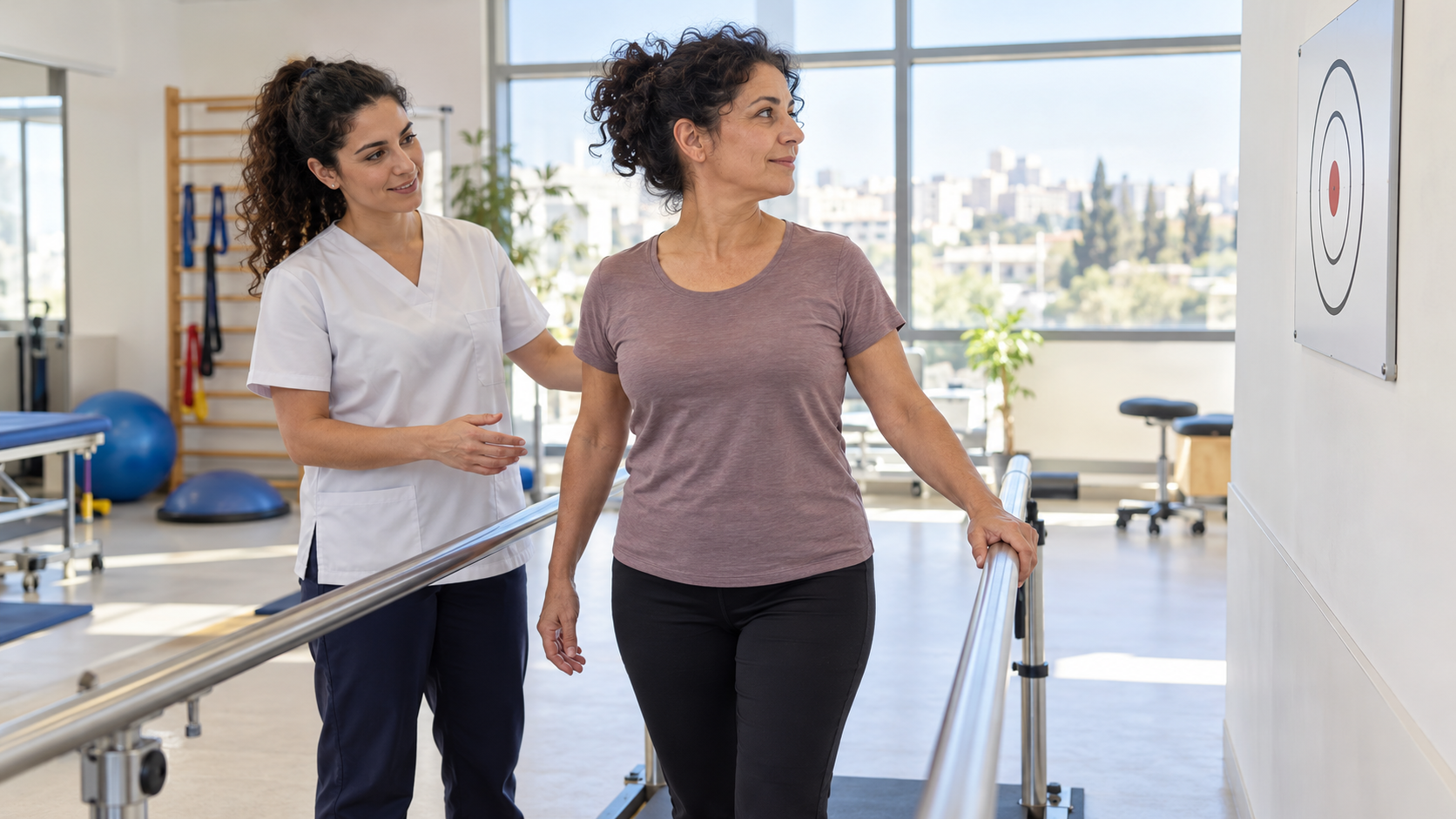 Vestibular Rehabilitation
Relearning Balance Through Play
Turn prescribed head, eye, walking, and balance exercises into meaningful practice with real-time movement feedback and clinician-visible progress.
Dr. Idit Tessler, Otolaryngology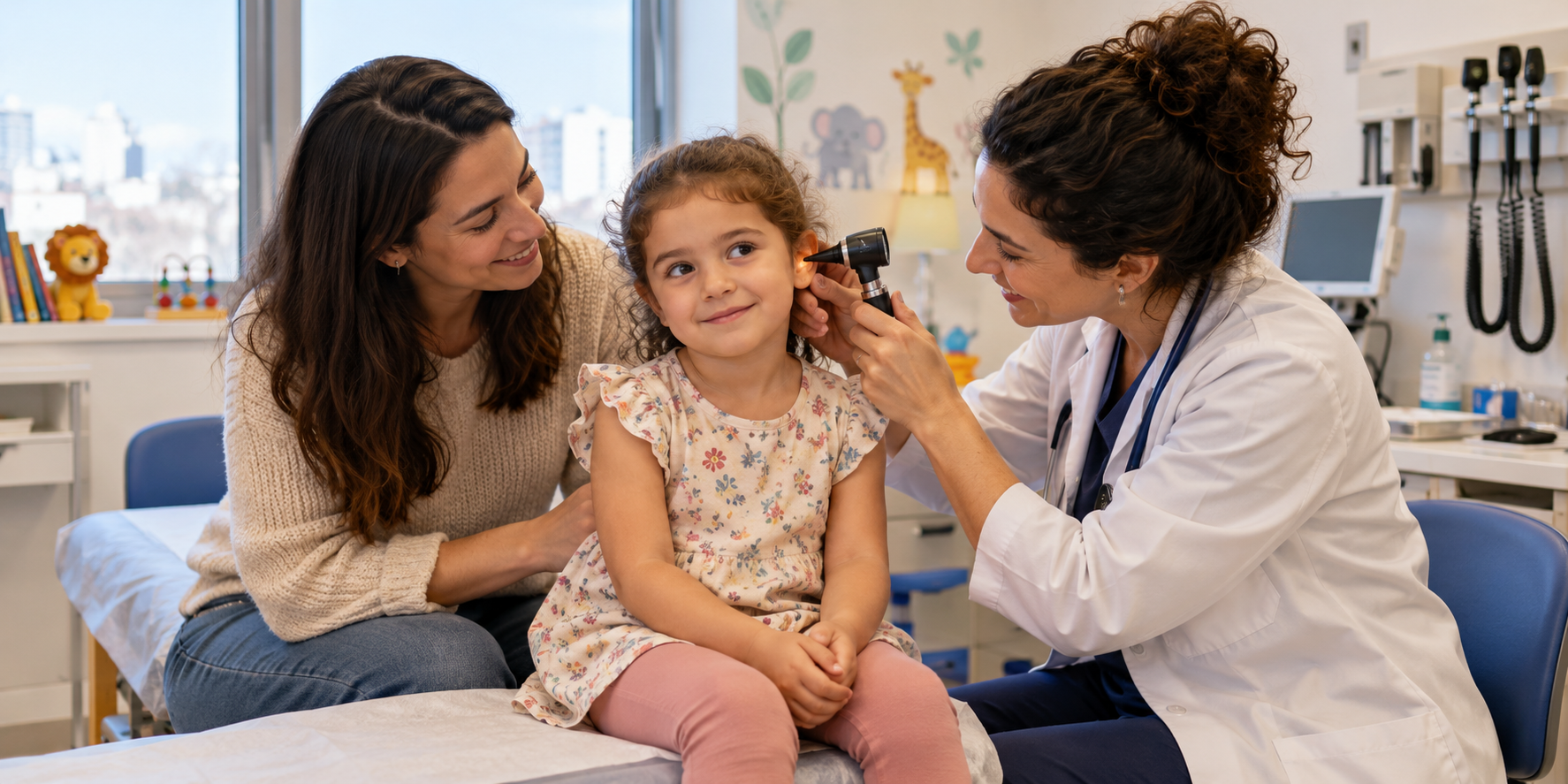 Pediatric ENT
Helping Children Through Ear Examinations
Help young children understand an ear examination and turn the few critical seconds of safe stillness into a playful achievement.
Dr. Idit Tessler, ENT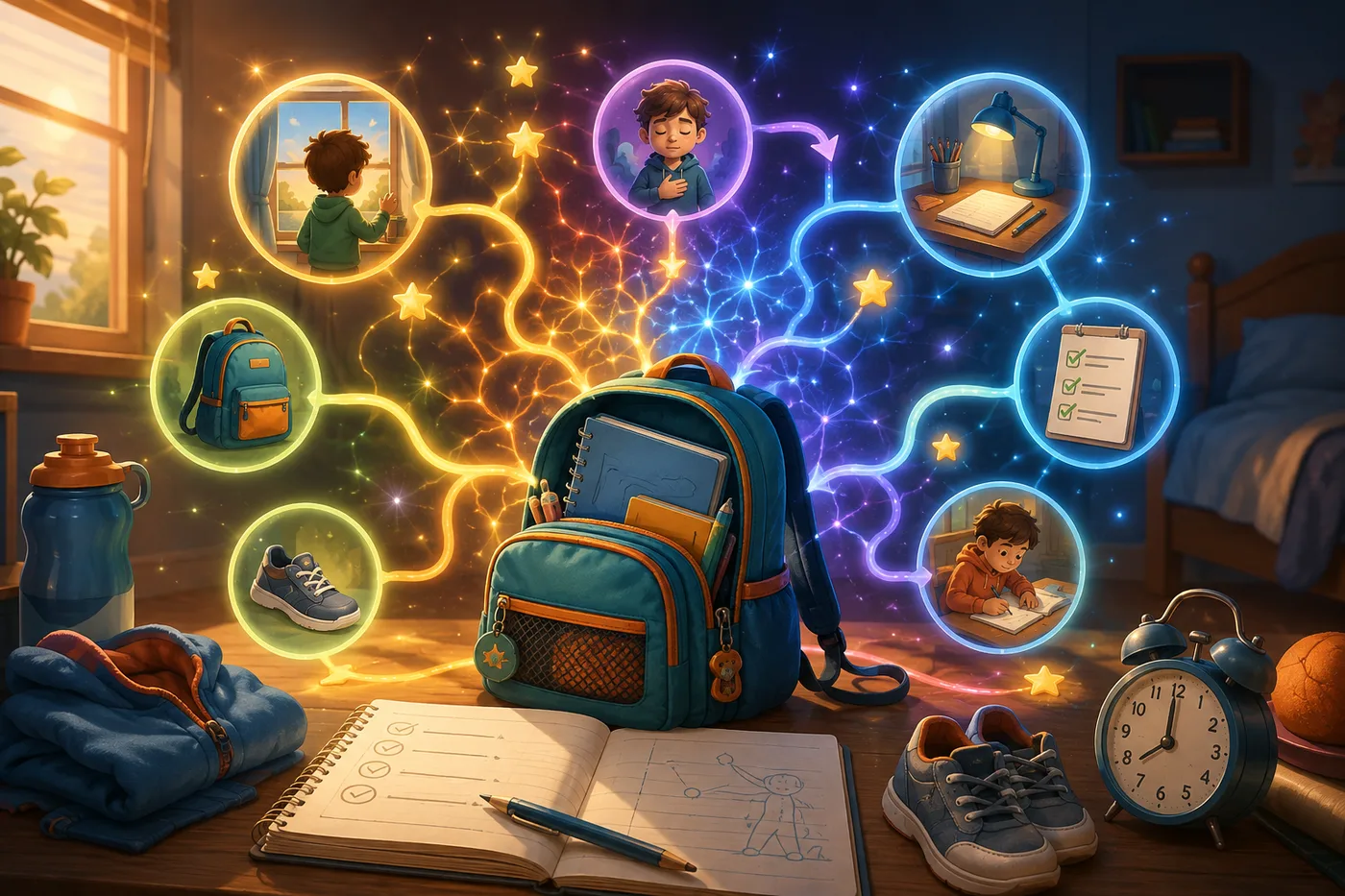 Pediatric Occupational Therapy
ADHD Executive Function Training for Daily Life
Build a daily-life mission game that helps children practice stopping, planning, executing, checking, and revising in real-world routines.
Avivit Yochanan, Pediatric Occupational Therapy, Sheba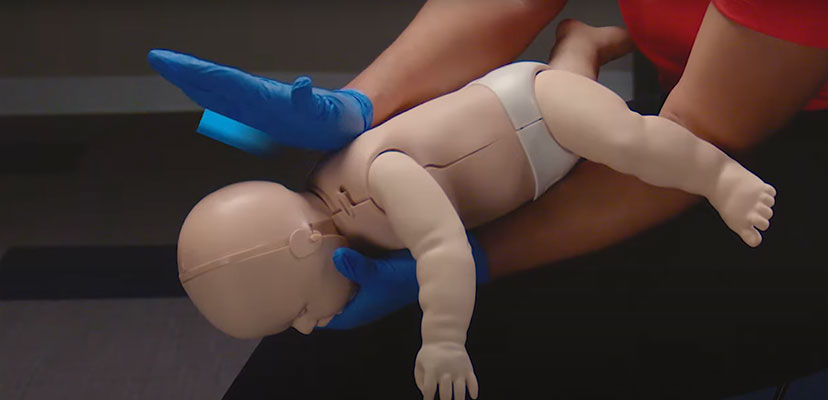 Emergency Simulation Training
Making Choking Training Feel Real
Build an interactive Heimlich maneuver training scenario where a mannequin or simulated patient responds only when the action is done correctly.
Maayan Zalmanson, MSR Tel Hashomer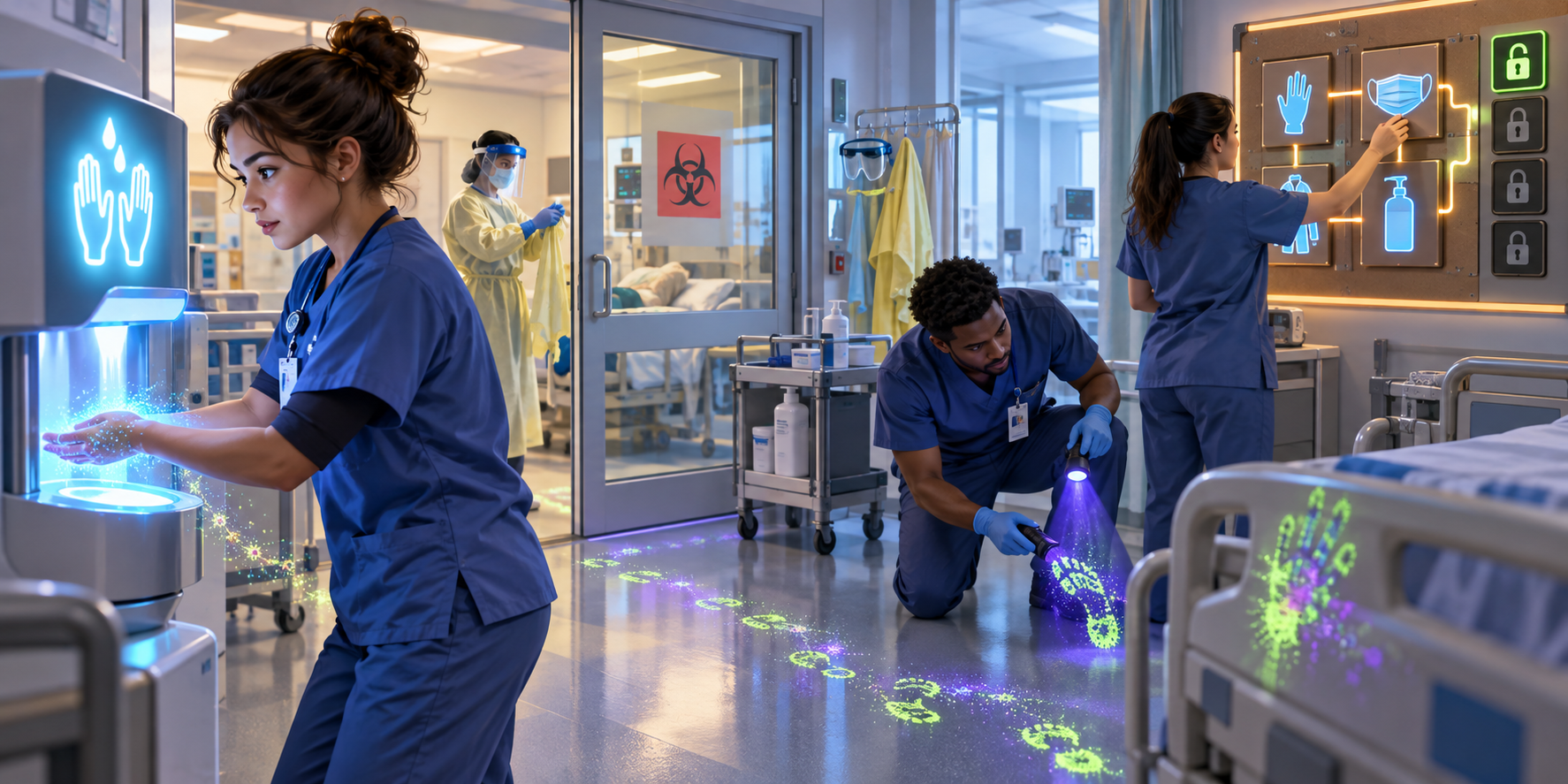 Infection Prevention • Staff Training
Infection Prevention Training Game
Turn hand hygiene and PPE decisions inside a realistic care sequence into repeatable practice with immediate, non-blaming feedback.
Mayan Gilboa and Bella Meehnik, Sheba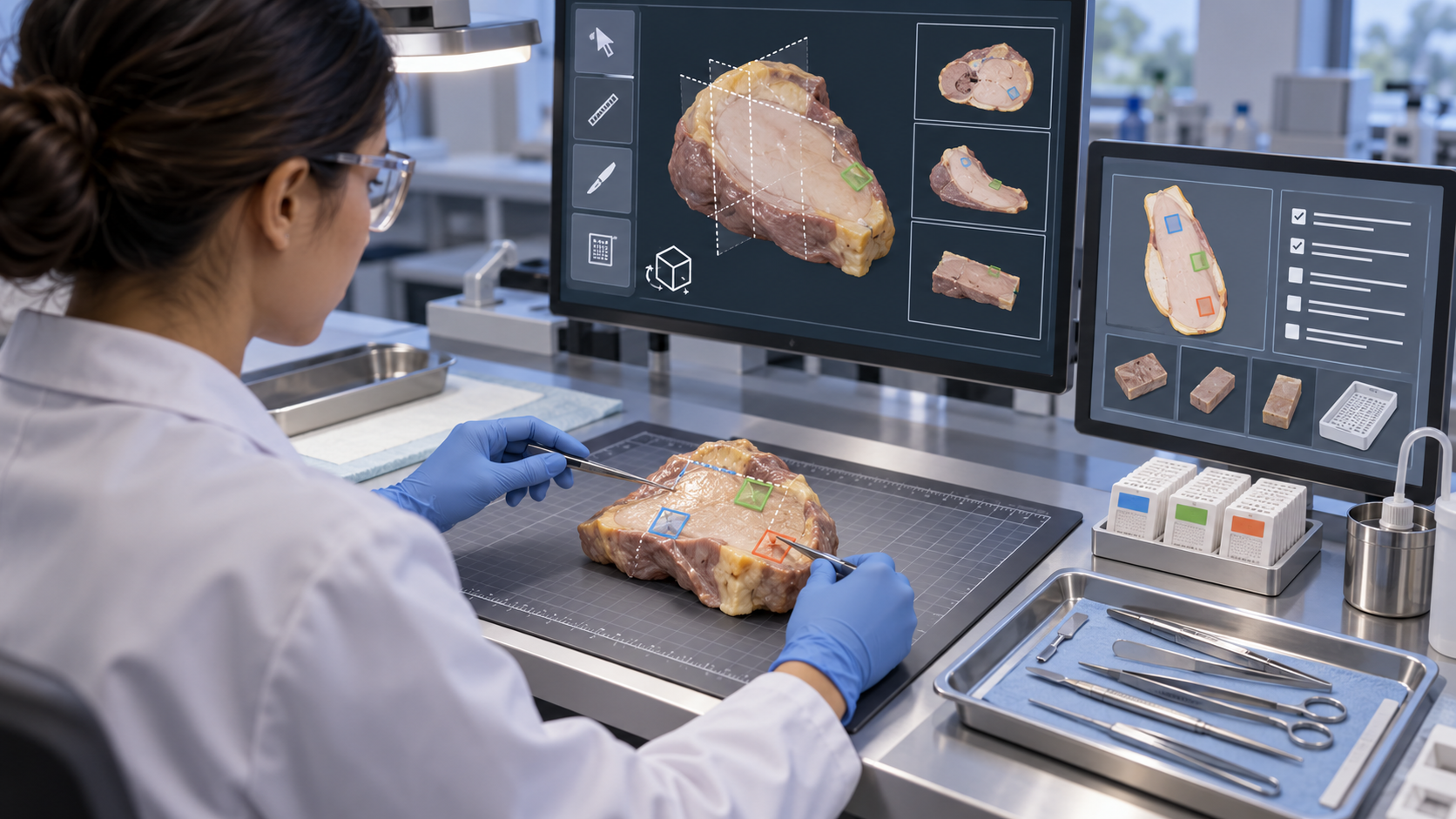 Pathology • Medical Training
Virtual Grossing Lab
Practice orienting, opening, measuring, and sampling surgical specimens where every cut has consequences.
Gil Goldinger, Pathology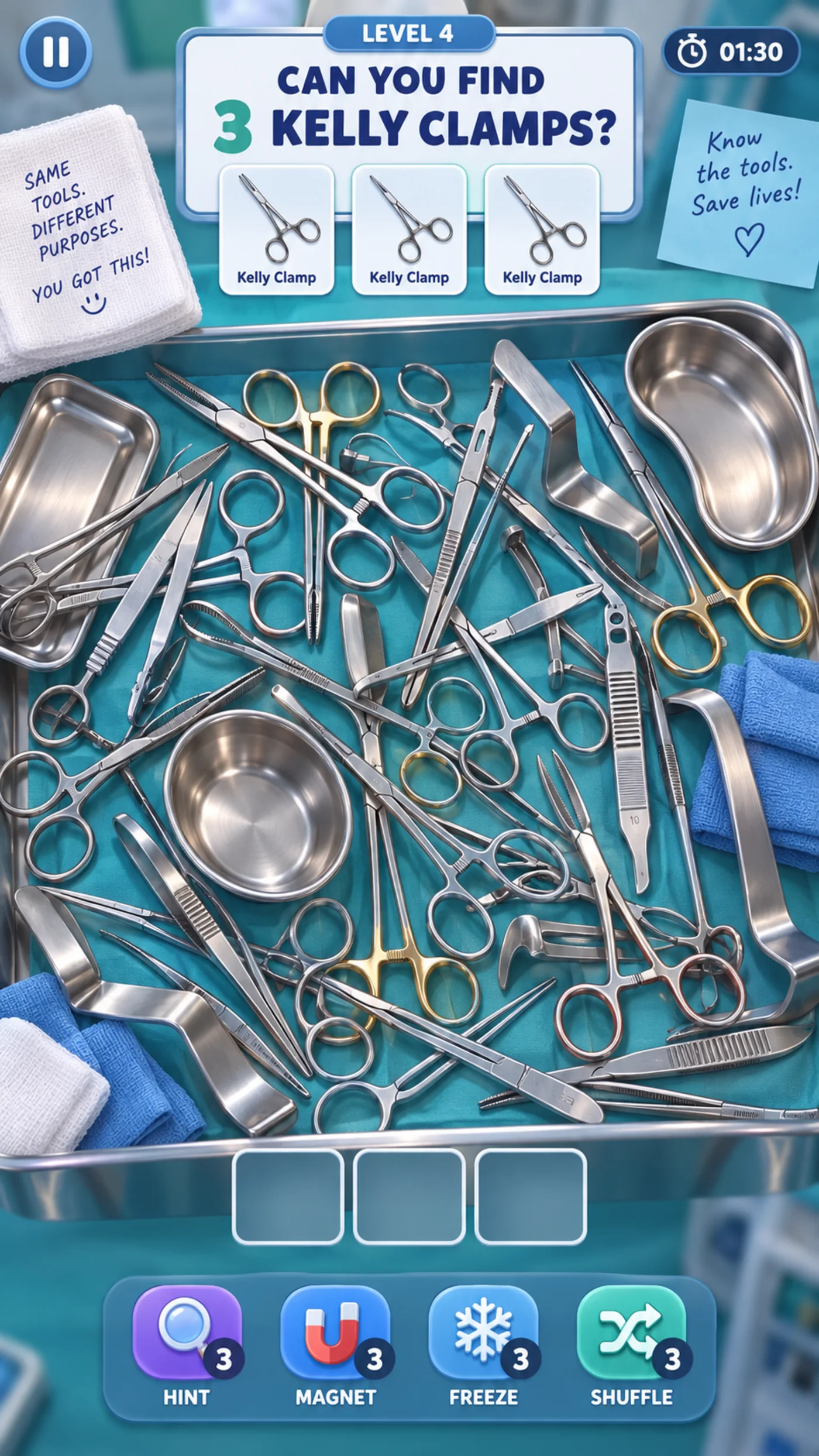 Operating Room Training
Surgical Tool Recognition for OR Nurses
Build a 3D matching or tray-prep game that helps new OR staff recognize similar-looking surgical instruments quickly and accurately.
Matan Shteg, Licensed OR Nurse, Sheba Medical Center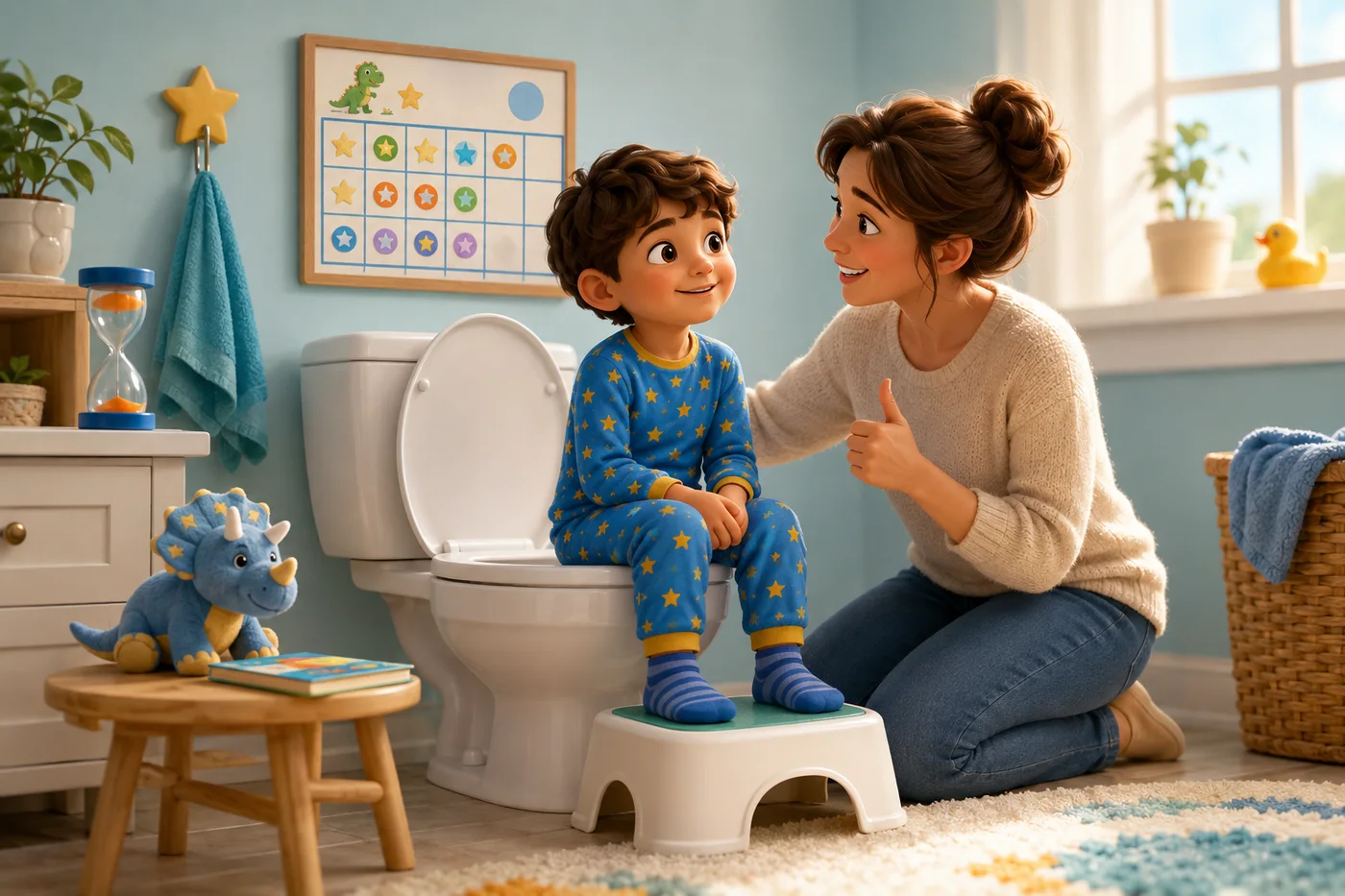 Pediatric Gastroenterology
Helping Kids Build Toilet-Sitting Routines
Build a positive, non-shaming game that helps children get to the bathroom and practice consistent toilet sitting as part of their care routine.
Tal Berger, Pediatric Gastroenterology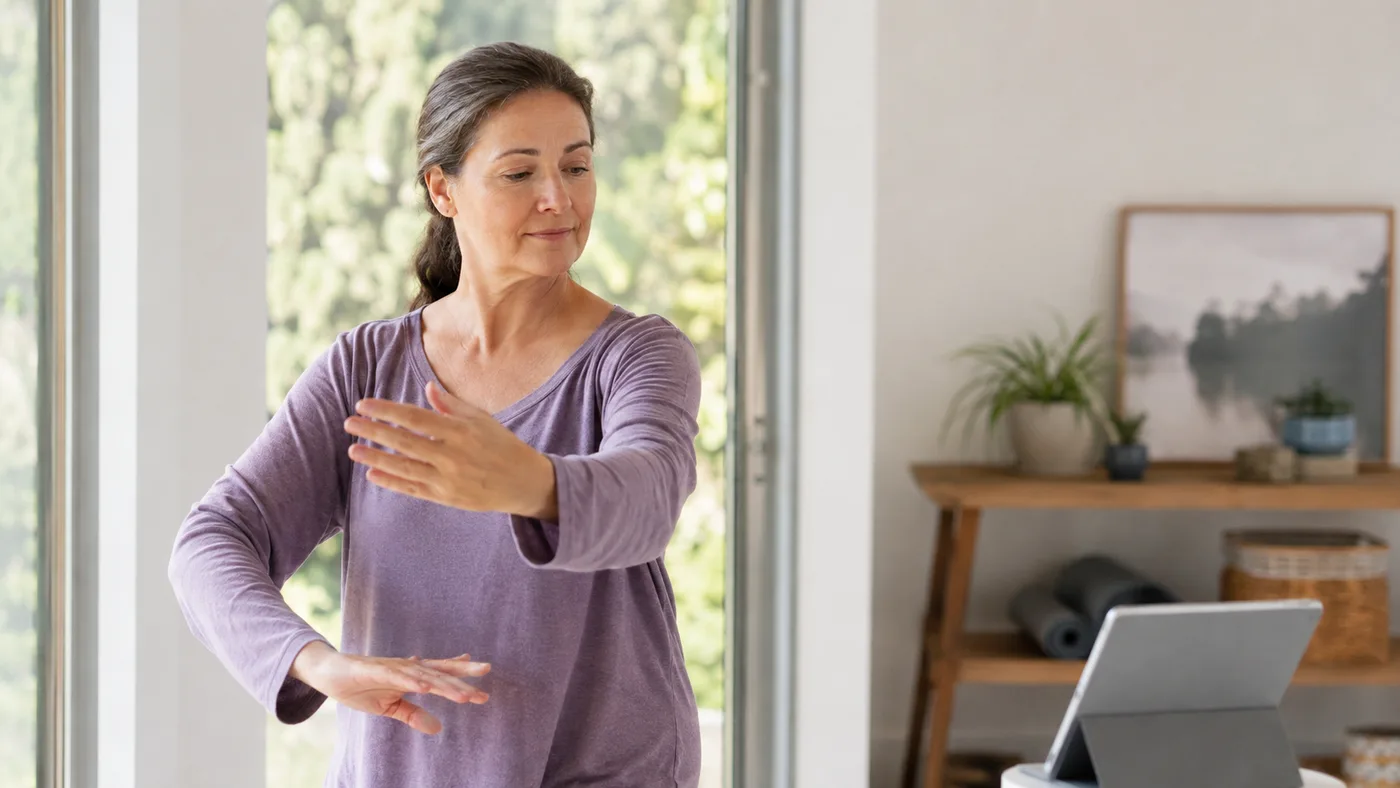 Pain Management
CBT and Gentle Movement for Fibromyalgia
Design a respectful game loop that teaches CBT skills and encourages gentle paced movement without pushing patients through pain or fatigue.
Amit Druyan, Rheumatology, Sheba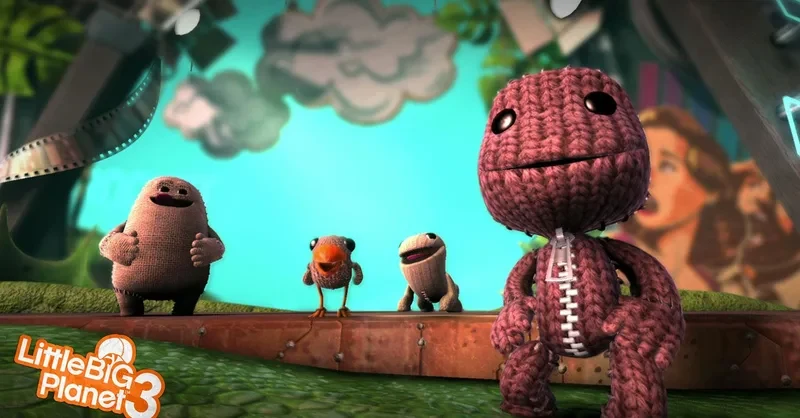 Autism Spectrum
Teaching Social Skills Through Games
Design cooperative games that help kids on the autism spectrum practice social interaction, using play as a bridge for connection, expression, and communication.
Dr. Omer Bar Yosef, Sheba Hospital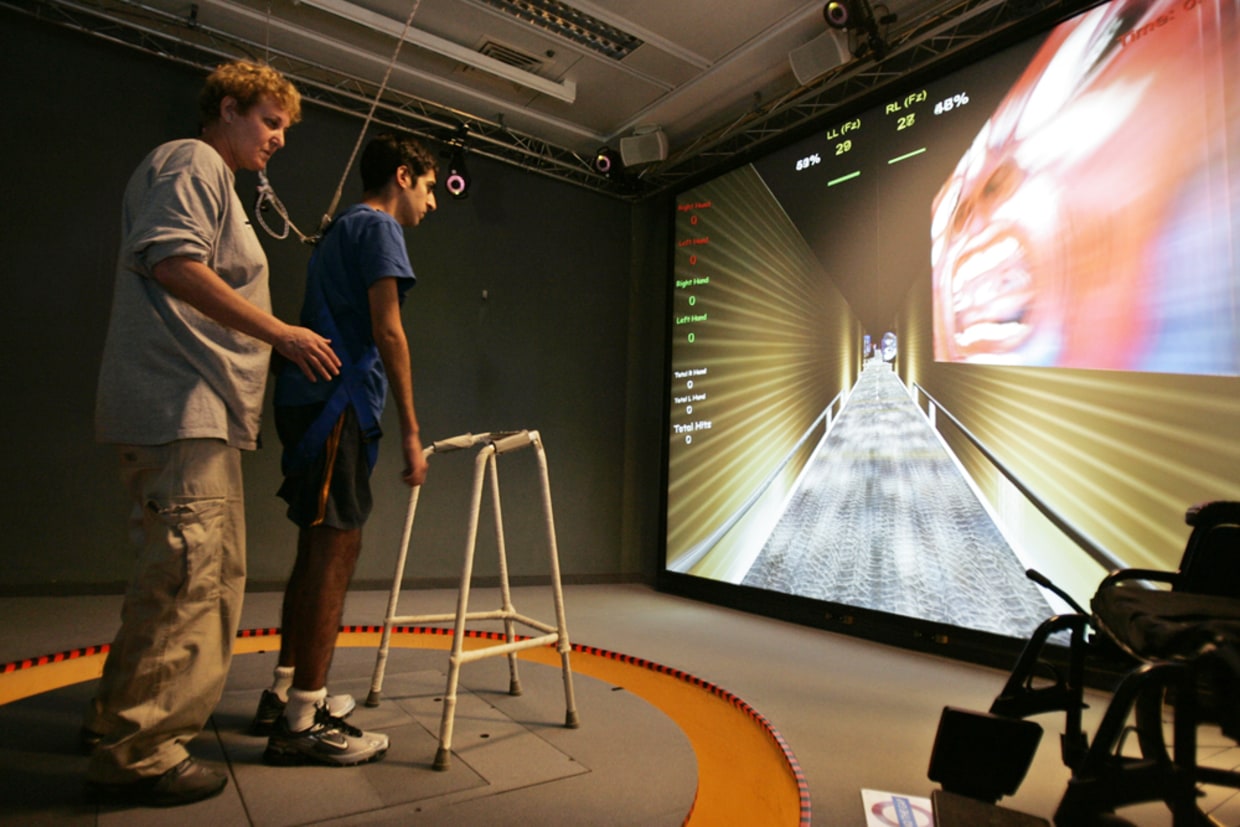 Immersive Rehab • Track 1
Physical & Cognitive Rehabilitation Games
Design room-scale games where movement is input, space is the interface, and the body is the controller. Target balance, coordination, memory, and more.
Maya Ehrlich & Ilanit Nit, Sheba Rehabilitation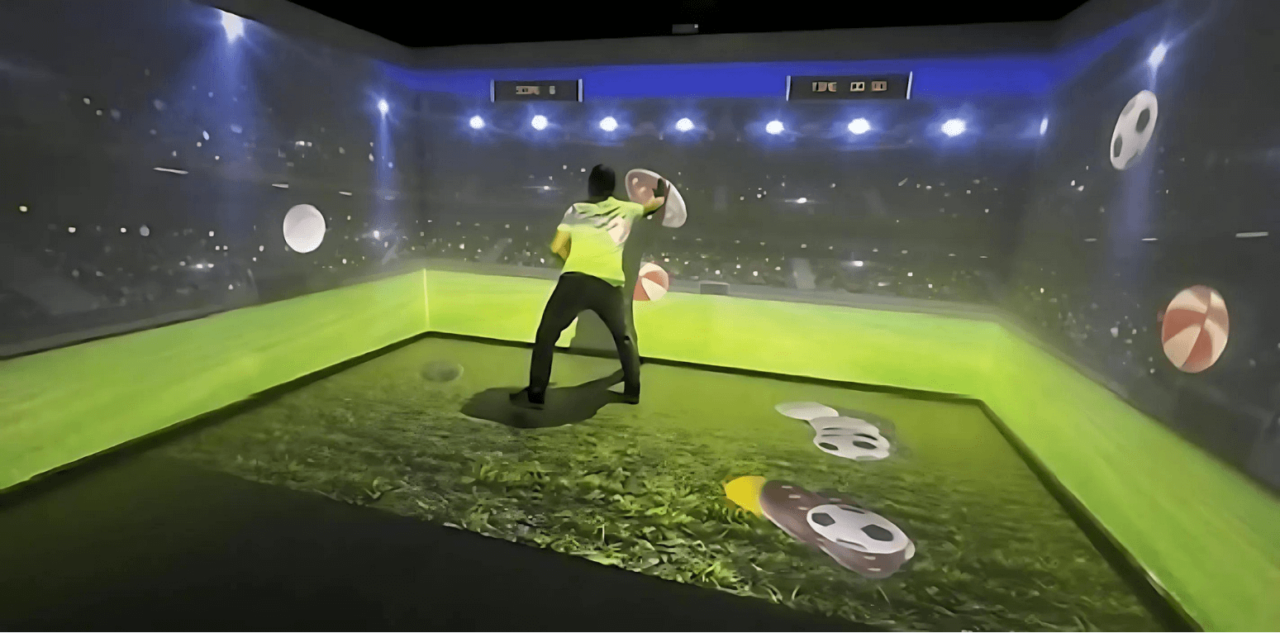 Immersive Rehab • Track 2
AI Scenario Creator for Therapists
Build an AI-assisted scenario tool so therapists can generate, adapt, preview, and tune immersive rehab exercises without waiting on a developer or vendor.
Maya Ehrlich & Ilanit Nit, Sheba Rehabilitation Immersive Rehab • Track 3
Motion Tracking for Rehab Games
Prototype camera or sensor-based rehab interactions that respond to reach, stance, balance, repetition quality, or multi-limb coordination.
Maya Ehrlich & Ilanit Nit, Sheba Rehabilitation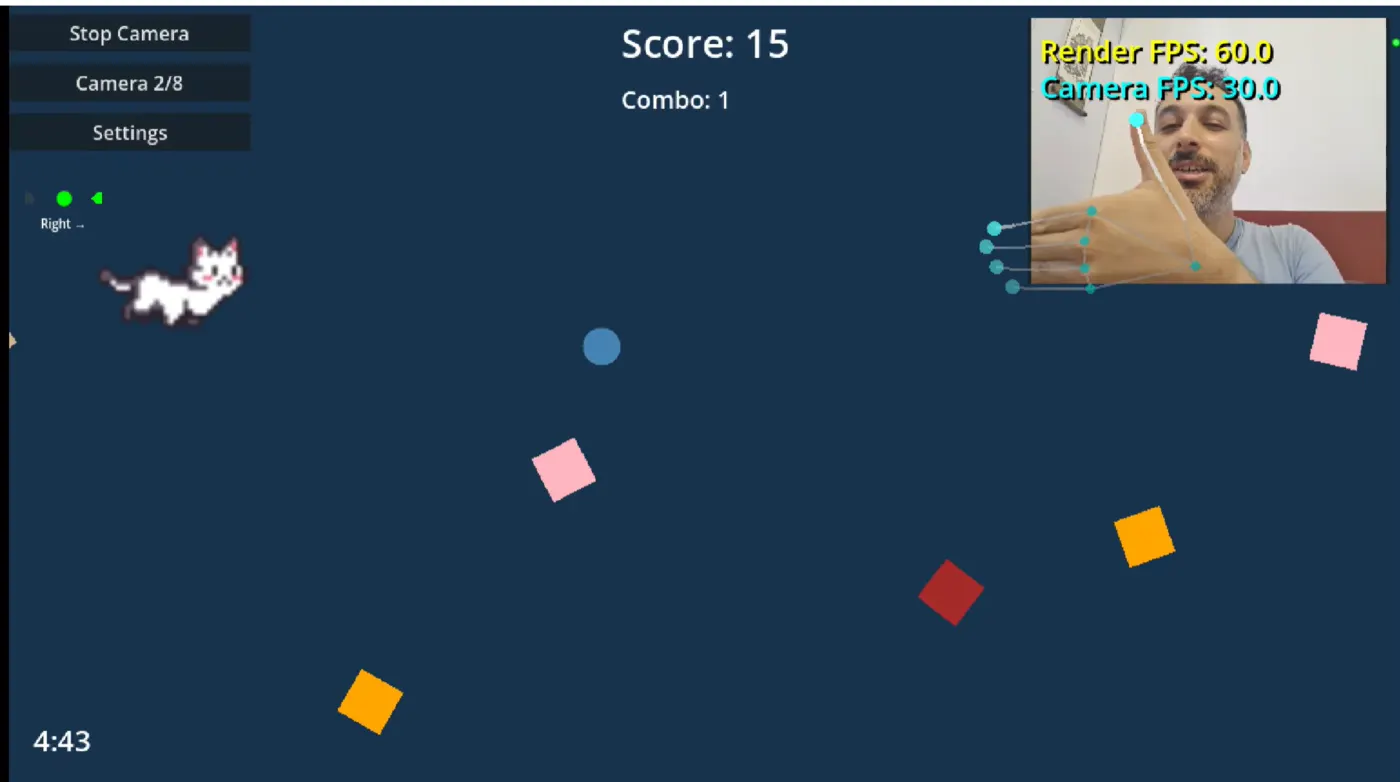 Physical Rehabilitation
Gesture-Controlled Rehab for Wrist Pain
Build a game controlled by webcam-tracked hand gestures, turning wrist and thumb physiotherapy movements into play that's engaging, measurable, and motivating.
Guy Sheffer, Game Developer • Dr. Gilad Rotem, Hand Surgery Advisor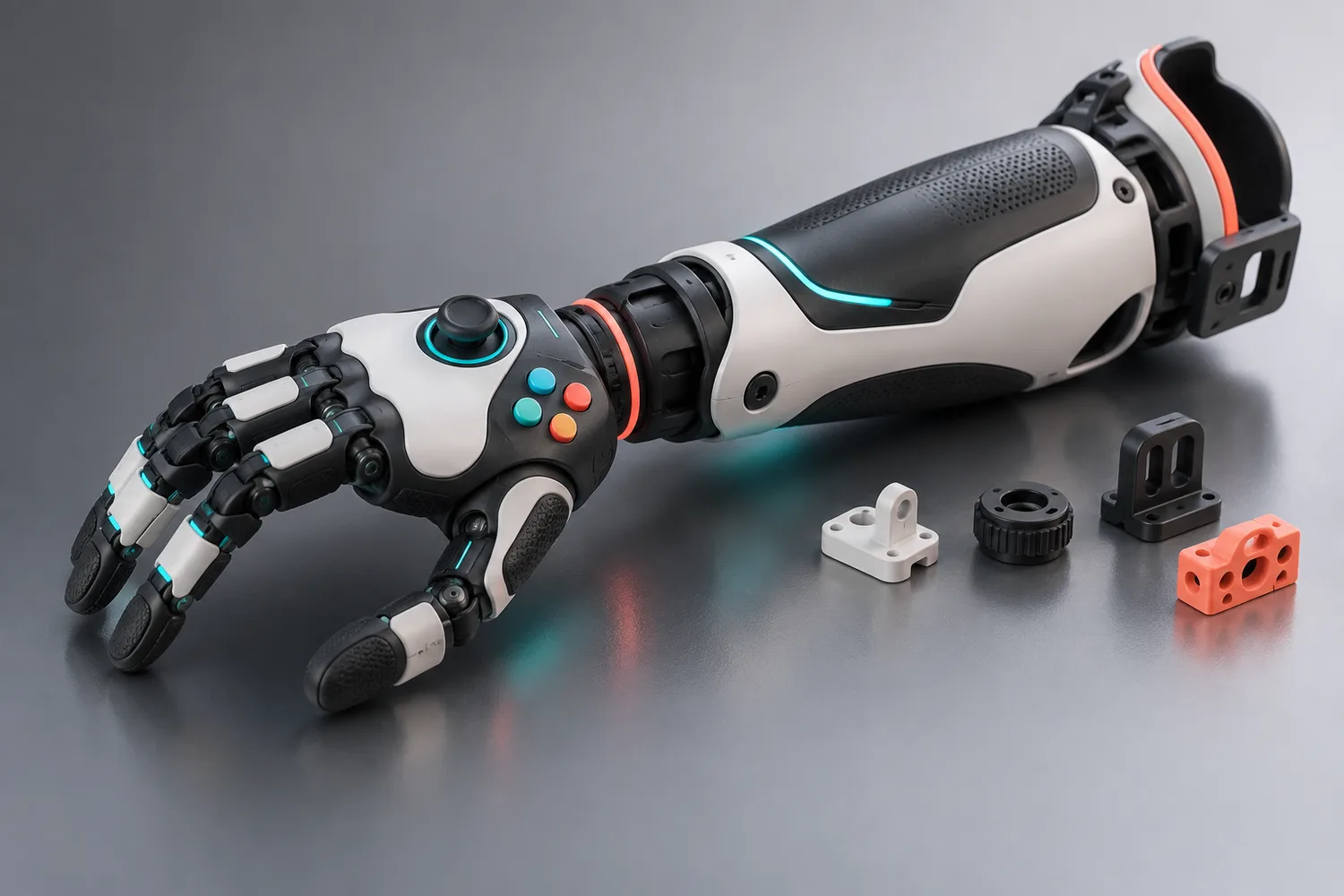 Accessible Gaming & Rehab
Upper-Limb Access and Amputee Rehab Games
Adapt game controls, prosthetic-use practice, or camera-tracked home PT so people with upper-limb disabilities can play and train more comfortably.
Omri Tafla & Matan Belfer, Tiltan / Haifa3D • Dr. Aviram Zailer, Sheba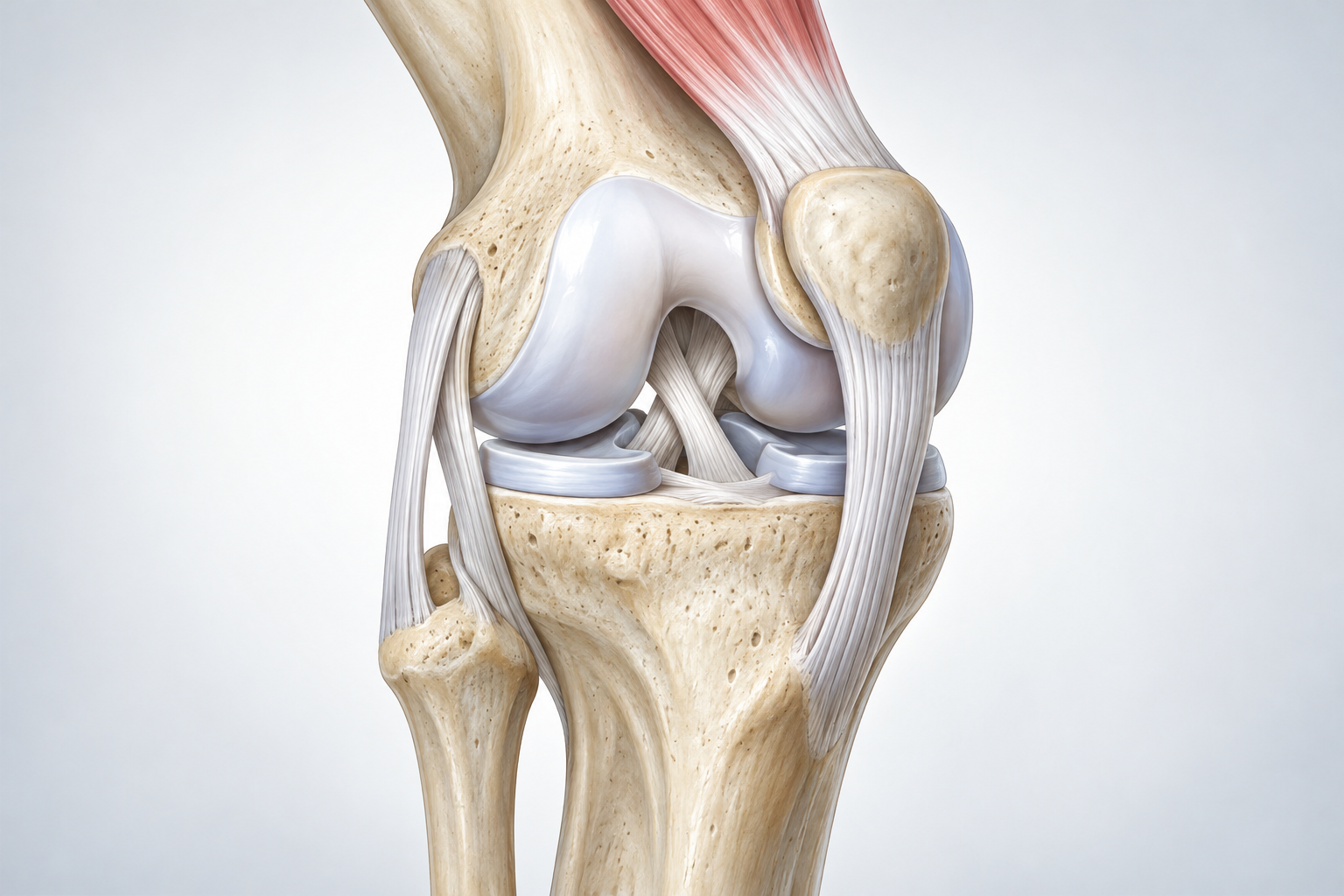 Orthopedics • Patient Preparation
Preparing for Knee Replacement
Help patients connect exercises, home preparation, medication routines, wound care, and realistic recovery expectations before knee-replacement surgery.
Dr. Julian B. Sernik, Orthopedic Surgeon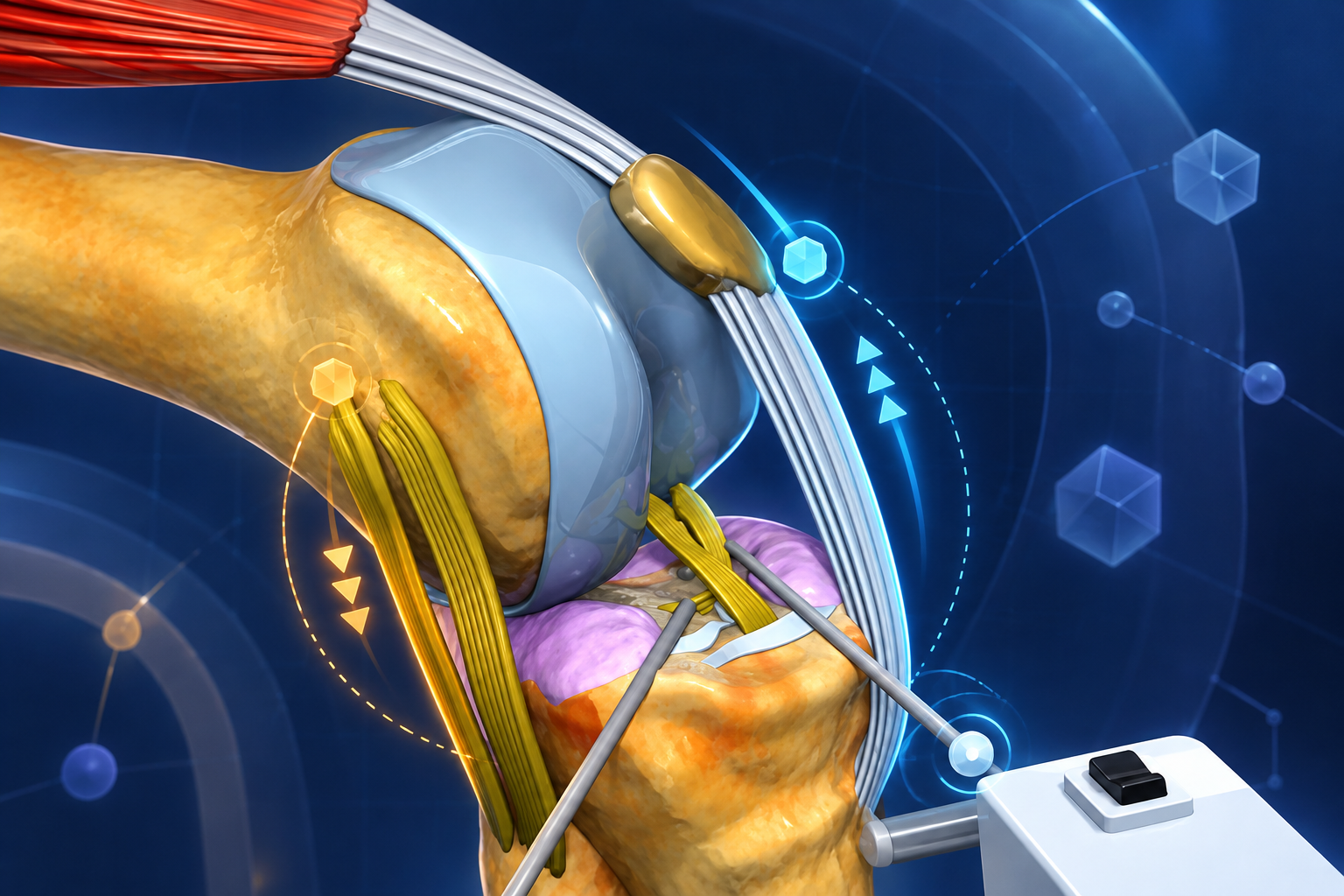 Orthopedics • Surgical Training
Balancing a Knee Replacement
Turn ligament tension, component rotation, and flexion-extension balance into a surgical physics puzzle with multiple defensible approaches.
Dr. Julian B. Sernik, Orthopedic Surgeon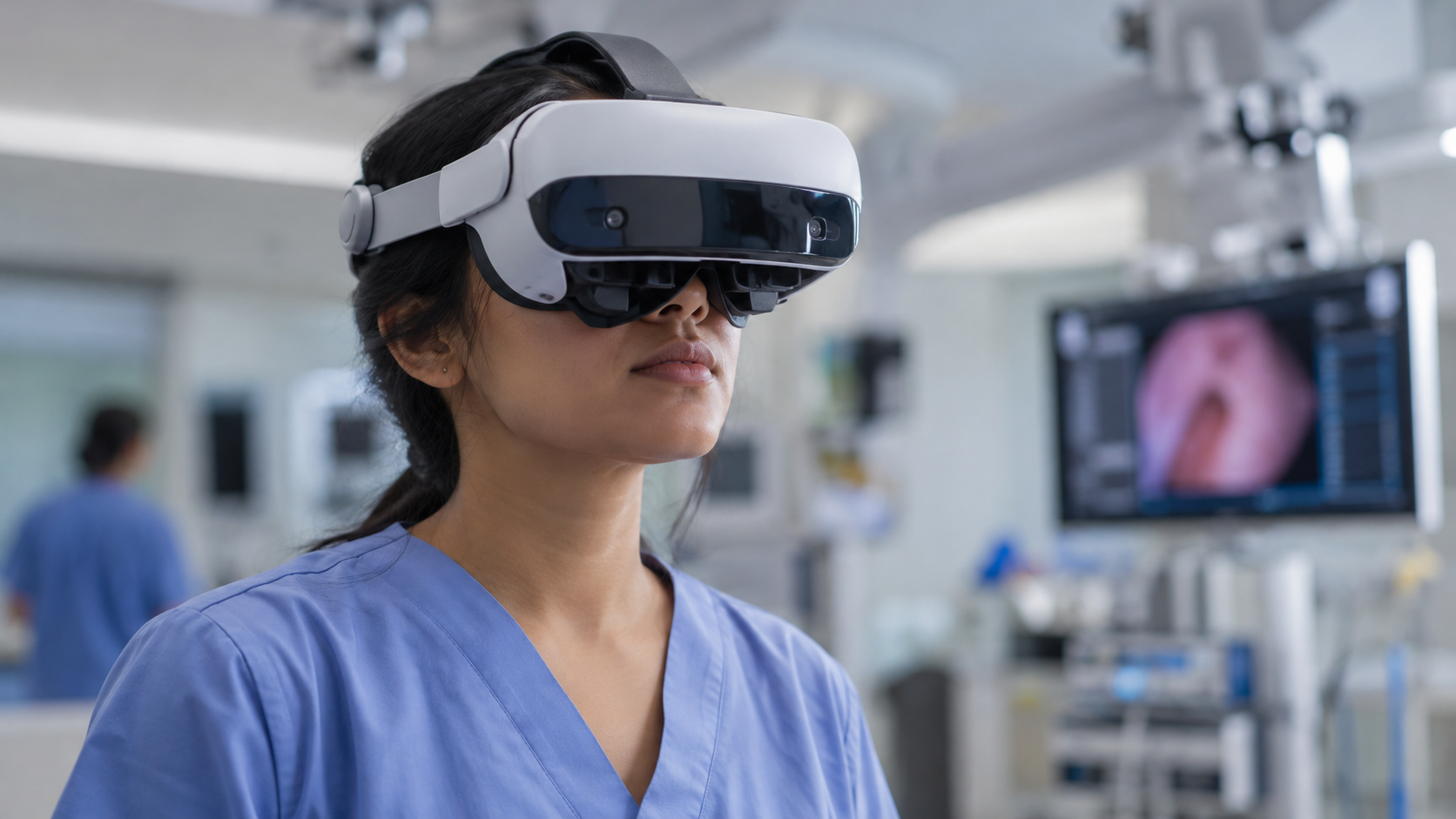 ENT • XR Surgical Training
XR Trainer for Microdirect Laryngoscopy
Practice the fixed microscope view, two-handed instrument coordination, lesion removal, and healthy-tissue protection required for microdirect laryngoscopy.
David Yogev, Otolaryngology (ENT)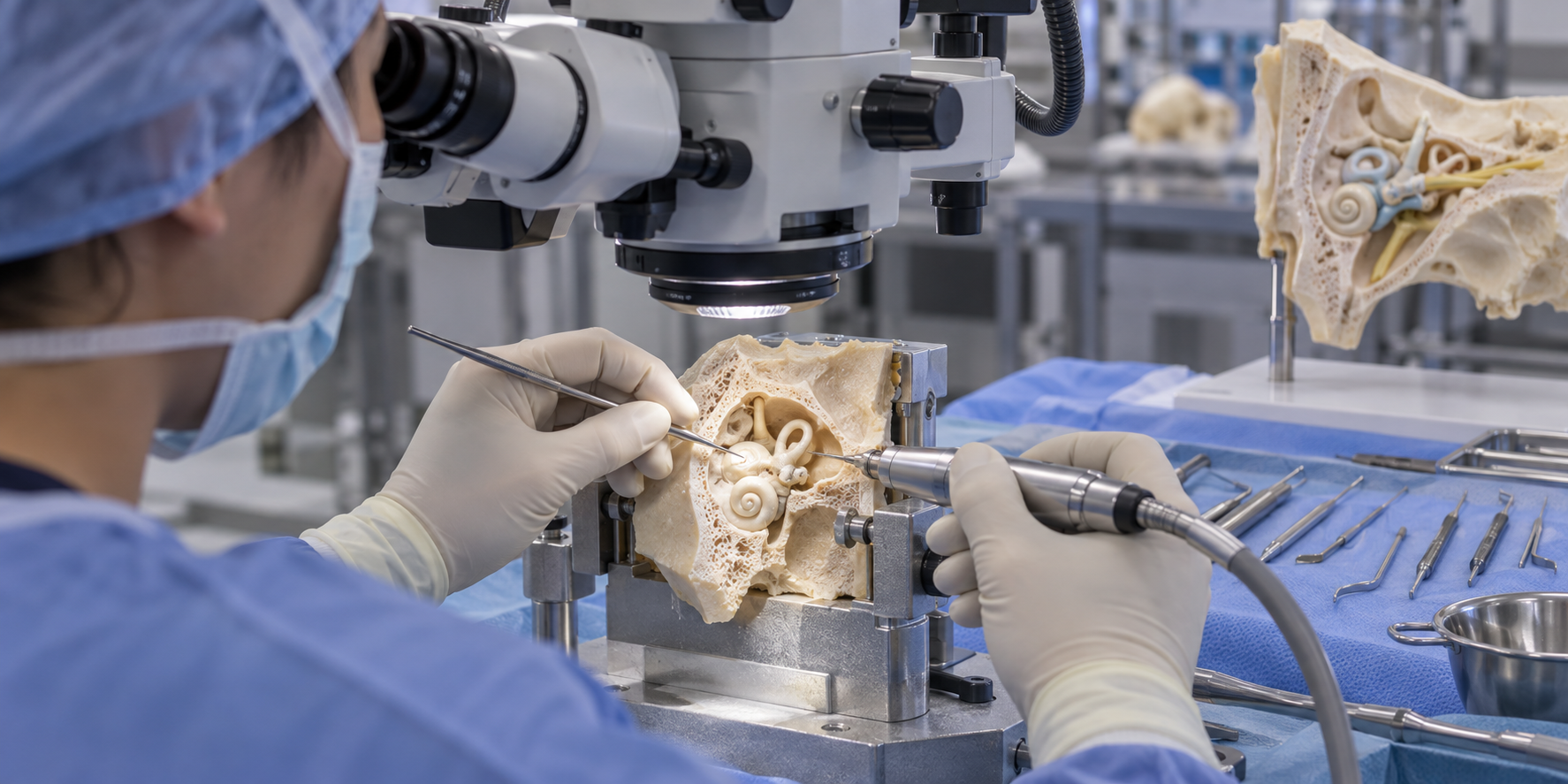 ENT • Surgical Simulation
Temporal Bone Surgery Drill Simulator
Build repeatable drilling practice around complex anatomy while protecting the facial nerve, inner ear, carotid artery, dura, and venous sinuses.
David Yogev, Otolaryngology (ENT)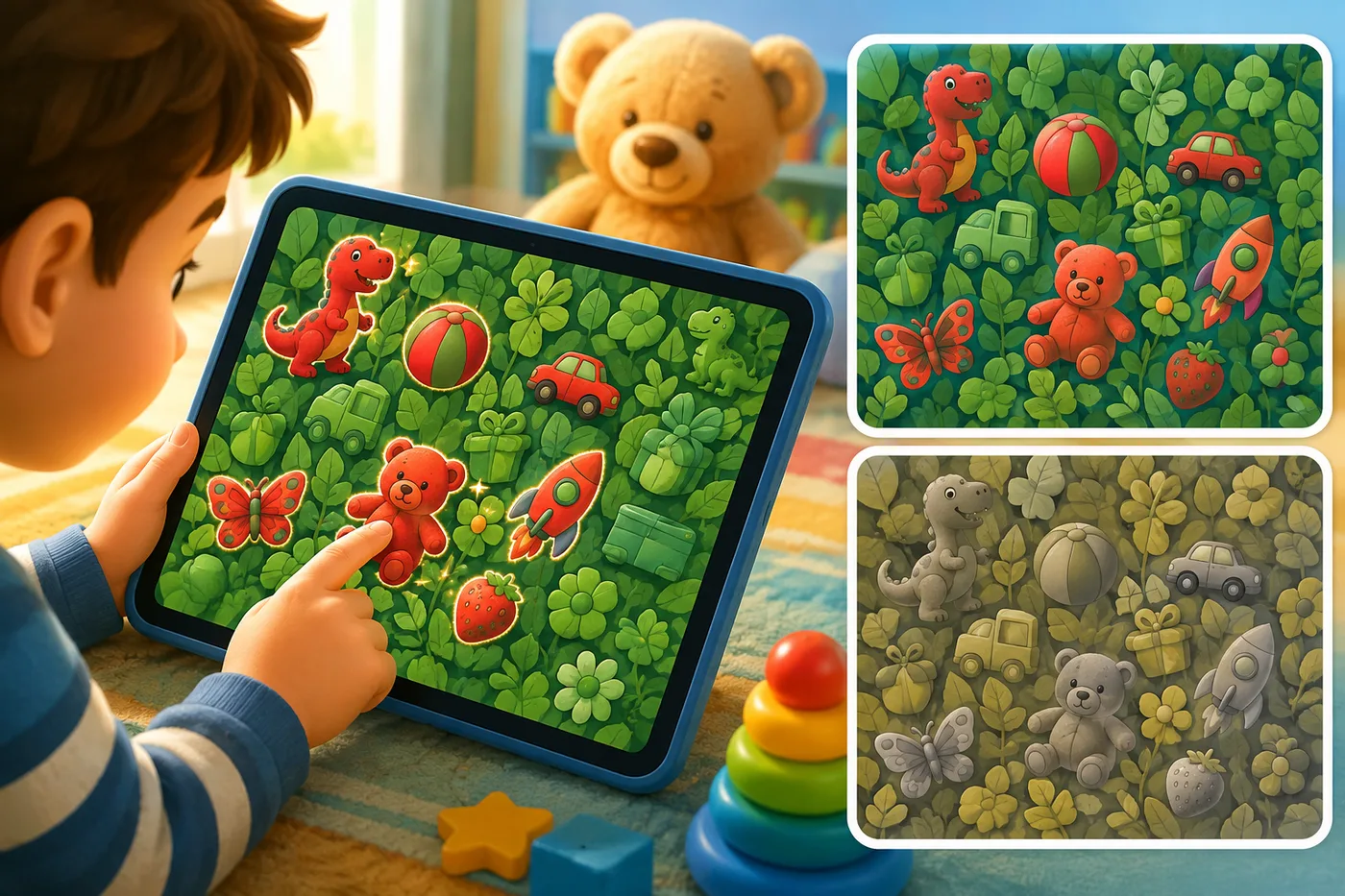 Pediatric Vision
Color Discrimination Training for Children
Build an experimental adaptive game that tests whether playful color-discrimination practice can improve thresholds or compensatory strategies without claiming to cure color blindness.
Ori Tulchinsky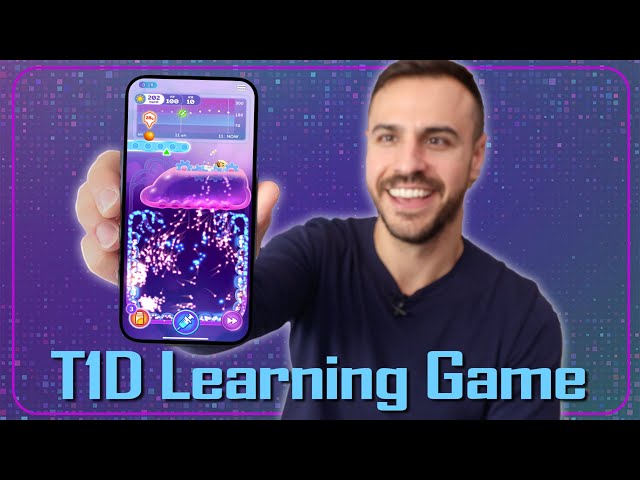 Chronic Disease Education
Journey Inside Your Chronic Disease
Help teens understand chronic disease and treatment by exploring a simplified body system, starting with Crohn's disease and visible inflammation.
Ori Tulchinsky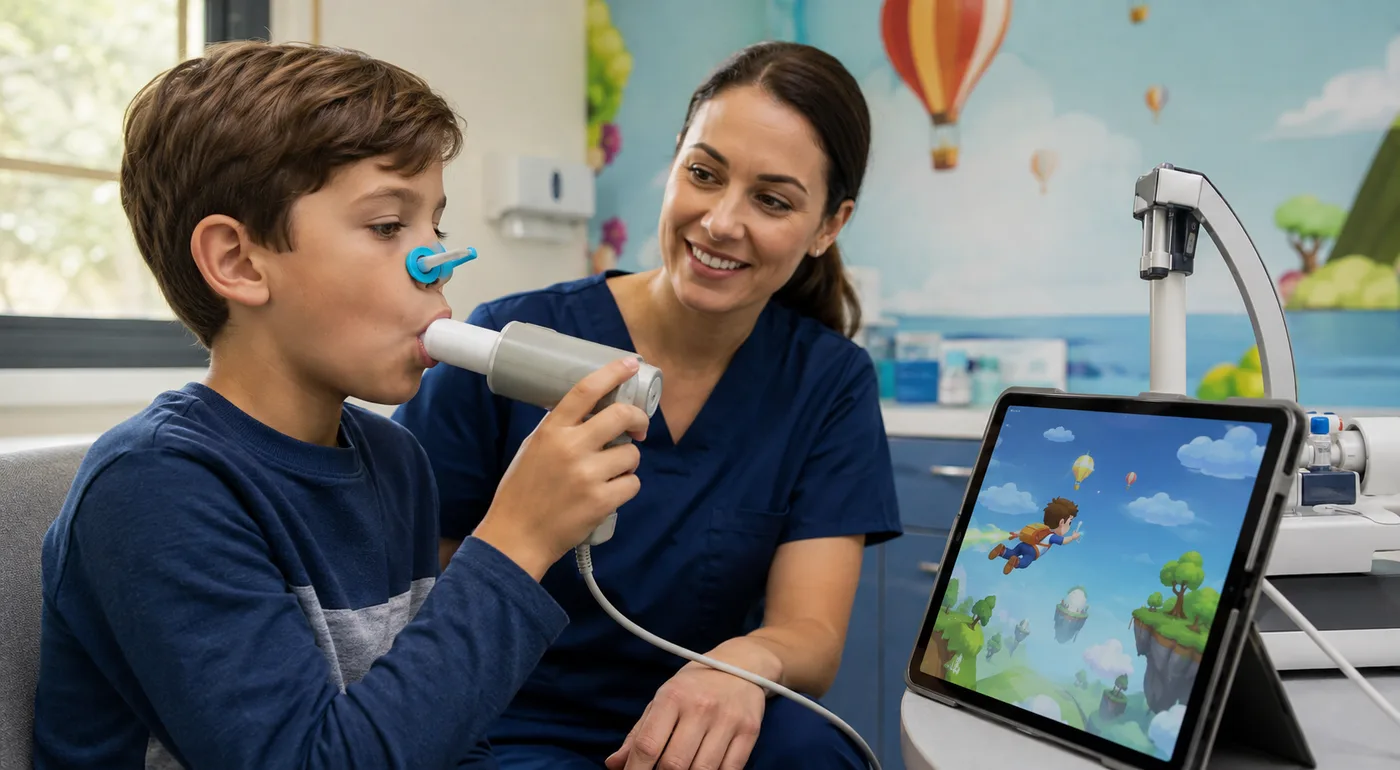 Pediatric Pulmonology
Breathe to Play
Use breath as the controller so children can practice the full spirometry sequence: big inhale, seal, blast, keep going, and finish.
Ori Tulchinsky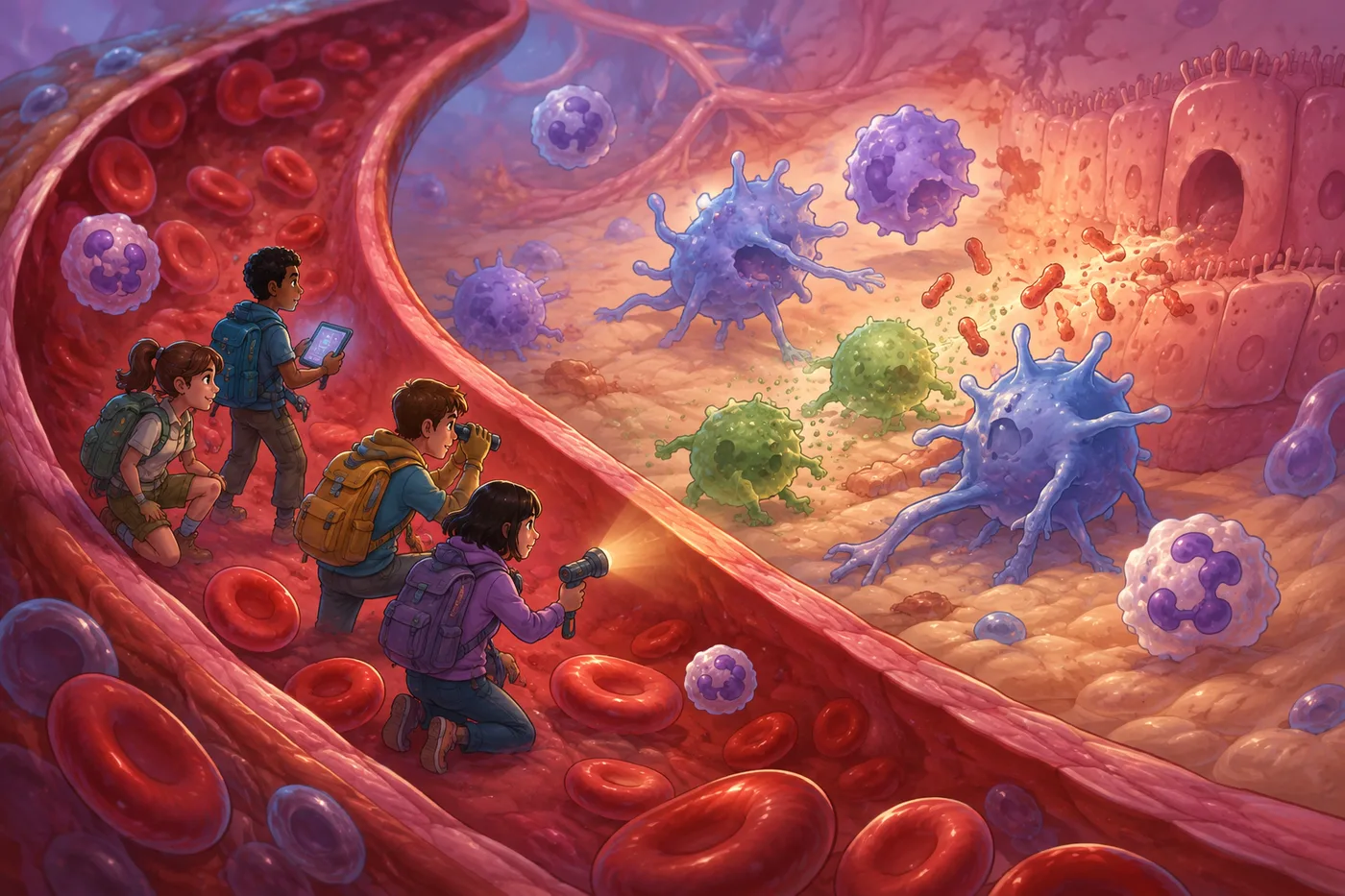 Medical Science Education
Inside the Human Body
Prototype an immune-system exploration game where students interact with cells, antibodies, and inflammatory pathways instead of only memorizing terms.
Ori Tulchinsky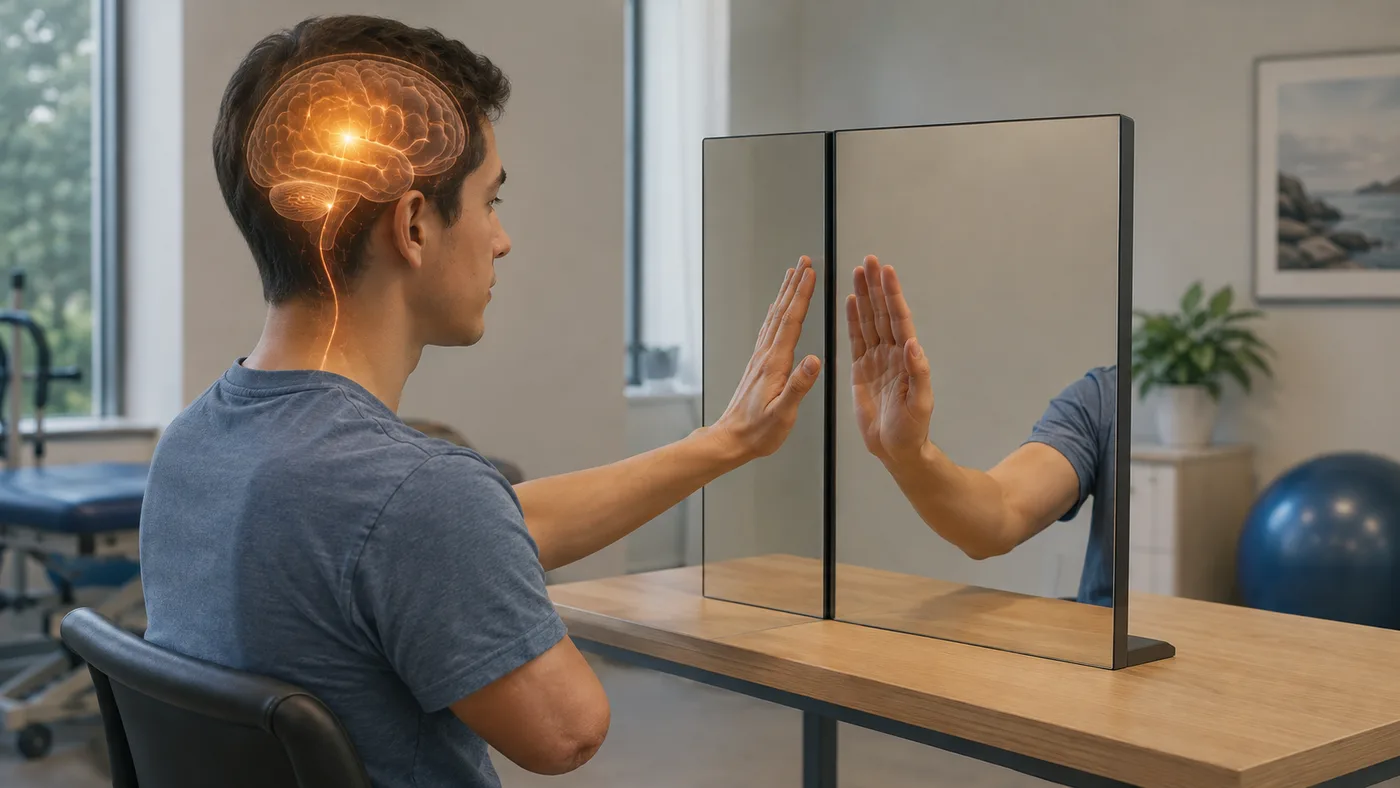 Amputee Rehabilitation
Motor-Imagery Gesture Game for Phantom Limb Pain
Turn mirror therapy and motor imagery into a daily gesture game calibrated to the patient's amputation level.
Dr. Abigail Livny-Ezer & Jenya Lerer, C.BIRD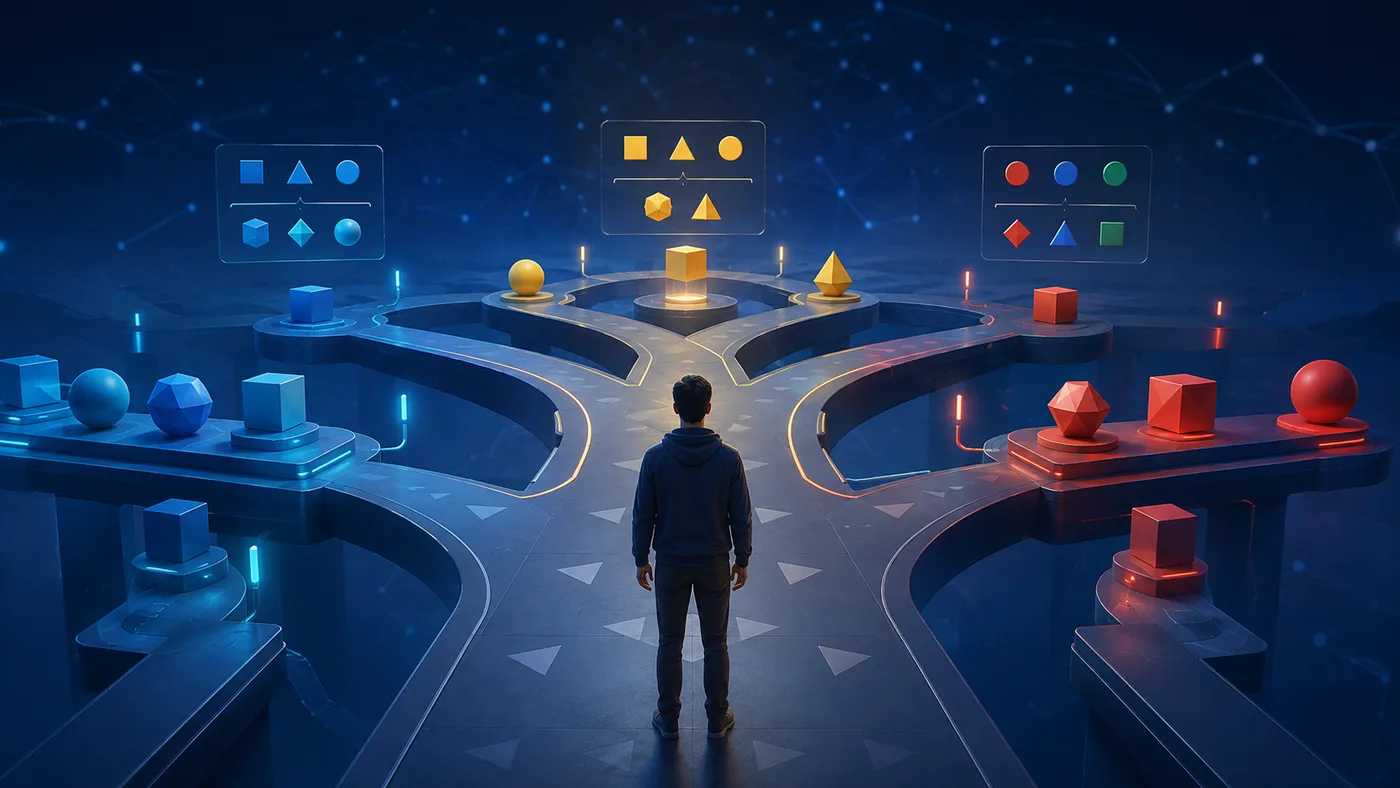 Pain Resilience
Cognitive Flexibility Trainer Against Chronic Pain
Build a replayable set-shifting game that trains adaptive problem-solving and supports lightweight longitudinal symptom tracking.
Dr. Abigail Livny-Ezer & Jenya Lerer, C.BIRD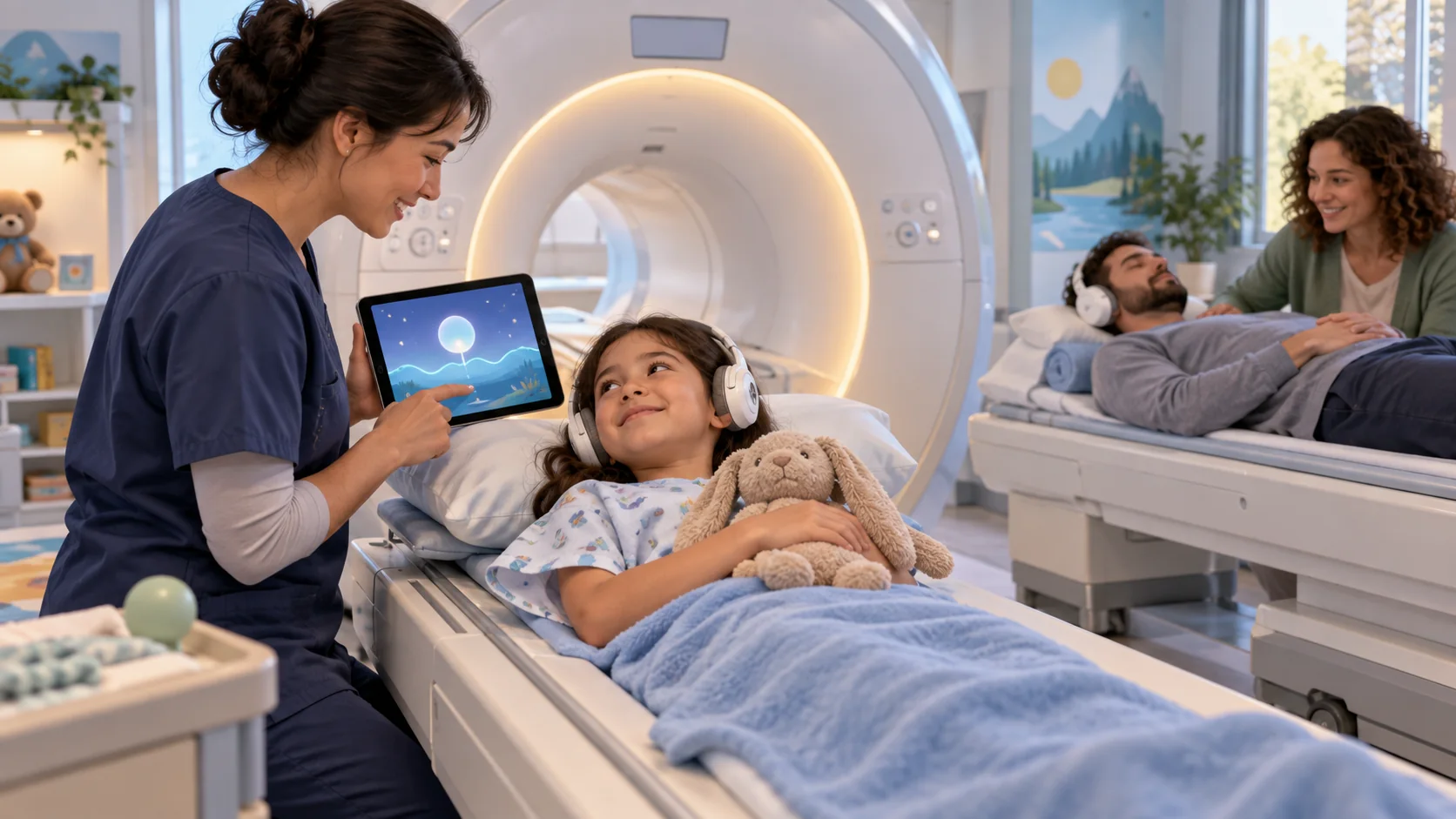 MRI Preparation
Scanner-Prep Game for MRI Anxiety
Help children and adults rehearse scanner sounds, stillness, timing, and coping before an MRI scan.
Dr. Abigail Livny-Ezer & Dr. Reut Raizman, C.BIRD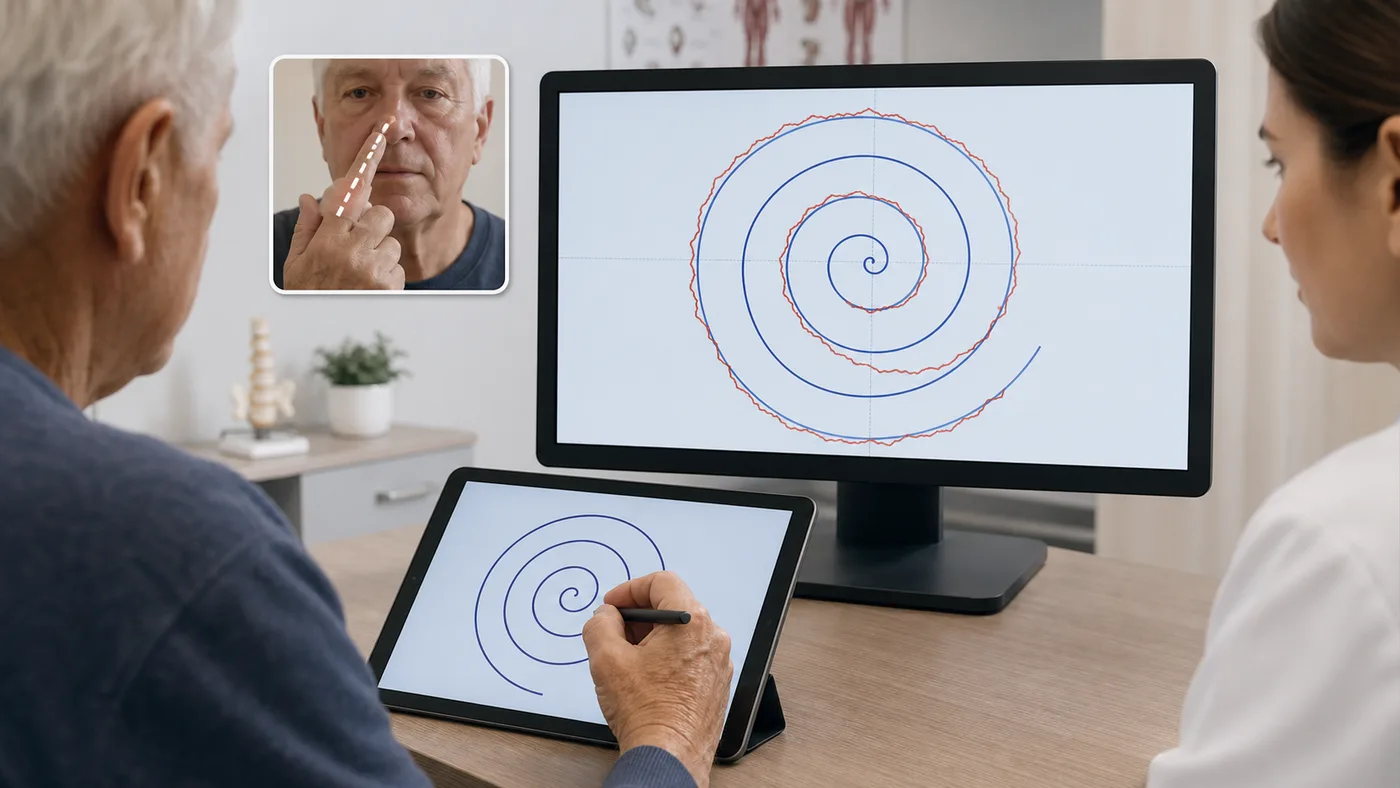 Movement Disorders
Objective Tremor Measurement Through Gameplay
Prototype an MR-safe tremor task that can produce comparable scores before, during, and after focused ultrasound treatment.
Dr. Abigail Livny-Ezer & David Mesika, C.BIRD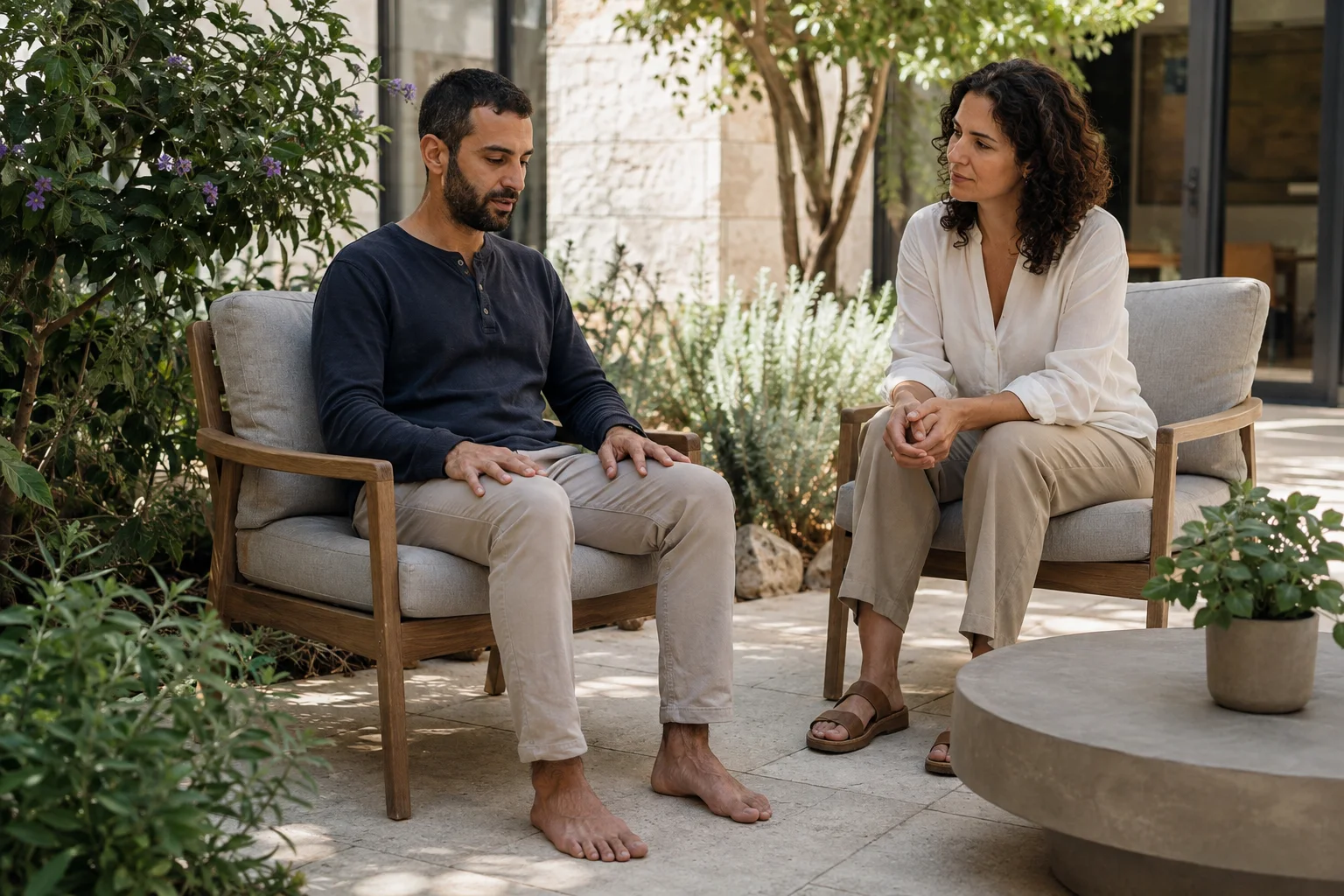 Mental Health
Games to Support PTSD Treatment
Design games that help patients stick with proven therapeutic practices: grounding, journaling, structured routines. Make adherence easier.
TBD, Sheba HospitalGames for Healthcare
Examples of how games are transforming medicine:
Games for Doctors
Games can be certified for CME (Continued Medical Education) credit in the US.
CME is a $4B market in the US alone
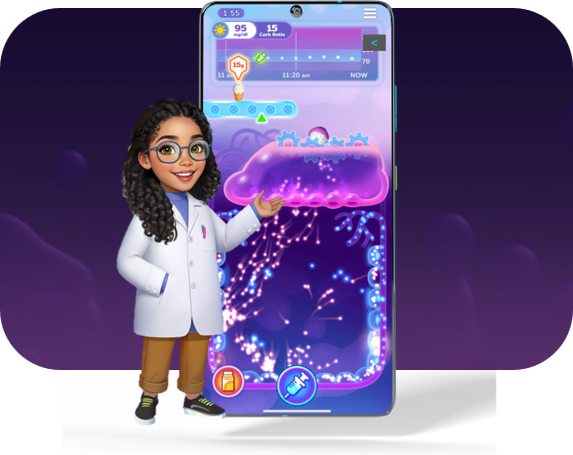
Games for Patients
Help patients understand what they need to, at their own pace.
Drastically improve the patient experience
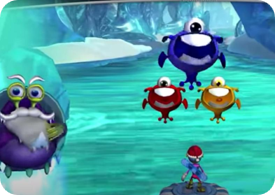
Digital Therapeutics
The FDA will approve games that treat disease (ADHD, PTSD, etc.)
Doctors can prescribe them, insurance will pay
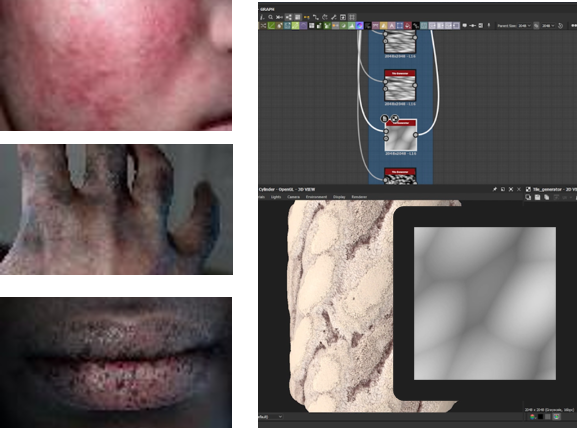
Synthetic Data
Use game tools to create AI training data that fills in the gaps.
Make better, less biased AI systems
Games for Rehab
Help patients recover from traumatic injury or surgery.
Make treatments and therapy rewarding and fun
Behavior Change
Modify bad habits and encourage good ones.
Employers, governments, and insurers will pay
Learn More
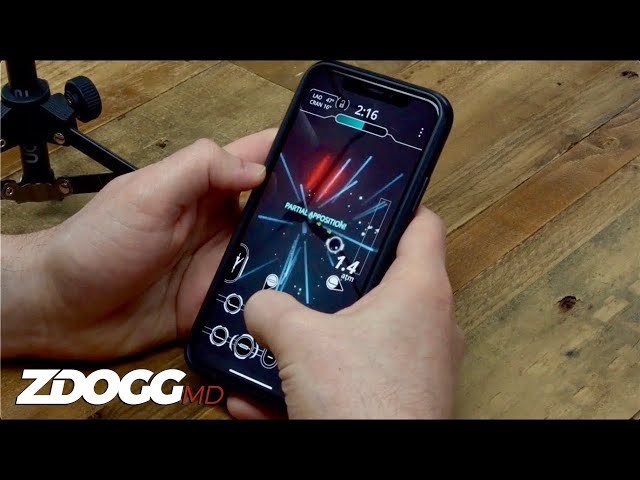
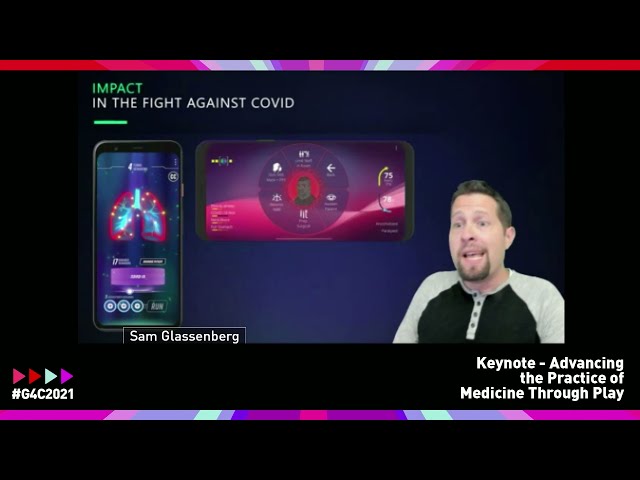
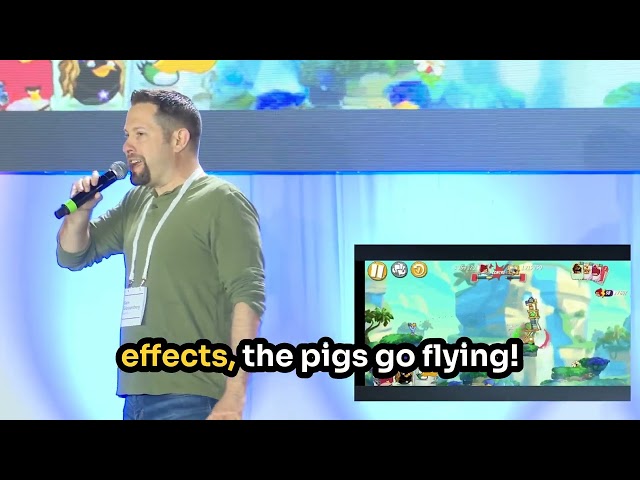
Talks and videos on games in healthcare:
Partners

Tech Partners

FAQ
Practical details for participants, clinicians, teams, parking, schedule, and onsite logistics are now on the FAQ page.
Get Involved
Sheba ARC Healthcare Game Jam brings together game developers, designers, and healthcare professionals to create meaningful solutions for real medical challenges. Sheba provides advisory support from world-class clinicians to help guide your work.
Questions? Reach out below.
Brand Assets
Logo for press, social, or partnership use.